Unlock Hidden Wellness: Employer Benefits Beyond Health Insurance in 2026

In the ever-evolving landscape of employee benefits, traditional health insurance, while crucial, is just the tip of the iceberg. As we look towards 2026, forward-thinking employers are increasingly recognizing that a truly holistic approach to employee well-being extends far beyond medical coverage. They understand that a healthier, happier workforce is a more productive and engaged one. This realization has led to a proliferation of often-hidden employer wellness benefits that, if leveraged correctly, can significantly enhance your overall health and quality of life. Our goal with this comprehensive guide is to shine a light on these invaluable perks, helping you discover how to tap into them and potentially boost your well-being by a remarkable 20%.
The concept of ‘wellness’ itself has expanded. It’s no longer just about physical health; it encompasses mental, emotional, financial, social, and even environmental well-being. Smart companies are investing in programs that address these diverse aspects, understanding that an imbalance in one area can impact all others. Many employees, however, remain unaware of the full spectrum of resources available to them. This article will serve as your definitive roadmap to navigating and maximizing these often-overlooked employer wellness benefits.
Beyond the Basic Plan: The Evolution of Employer Wellness Benefits
For decades, health insurance was the cornerstone of employee benefits. While it remains critical, the focus has shifted. Employers are now playing a more proactive role in promoting preventive care and overall well-being. This isn’t just altruism; it’s smart business. Studies consistently show that comprehensive wellness programs lead to reduced healthcare costs, lower absenteeism, increased productivity, and higher employee retention rates. This mutually beneficial relationship means that your employer is likely eager for you to utilize these programs.
In 2026, expect to see an even greater emphasis on personalized wellness solutions. Generic, one-size-fits-all programs are giving way to more tailored approaches that cater to individual needs and preferences. This personalization is key to making employer wellness benefits truly effective and impactful.
The Shift Towards Holistic Well-being
The modern workplace understands that stress, financial instability, and mental health challenges can significantly impact an employee’s ability to perform and thrive. Therefore, the definition of ‘wellness’ has broadened to include:
- Physical Wellness: Beyond gym memberships, this includes nutrition counseling, biometric screenings, and ergonomic assessments.
- Mental & Emotional Wellness: Access to therapy, mindfulness programs, stress management workshops, and robust Employee Assistance Programs (EAPs).
- Financial Wellness: Resources for budgeting, debt management, retirement planning, and financial literacy workshops.
- Social Wellness: Opportunities for team building, community involvement, and fostering a supportive work environment.
- Environmental Wellness: Promoting sustainable practices within the workplace and encouraging outdoor activities.
Understanding this holistic framework is the first step in identifying and utilizing the full range of employer wellness benefits available to you.
Uncovering the Mental and Emotional Health Goldmine
Mental health support is perhaps one of the most significant and rapidly expanding areas of employer wellness benefits. The stigma surrounding mental health has diminished, leading to more open discussions and a greater demand for accessible resources. If you’re feeling overwhelmed, stressed, or struggling with mental health challenges, your employer likely offers robust support systems.
Employee Assistance Programs (EAPs)
EAPs are often the first line of defense and are frequently underutilized. These programs provide confidential counseling services for a wide range of personal and work-related issues, including stress, anxiety, depression, grief, relationship problems, and substance abuse. Many EAPs also offer legal and financial consultations. The beauty of EAPs is their confidentiality and ease of access; often, a simple phone call can connect you with a licensed professional for several free sessions.
Digital Mental Health Platforms and Apps
The digital revolution has brought mental health support directly to our fingertips. Many employers now partner with platforms like Calm, Headspace, or other specialized mental health apps. These subscriptions, often paid for by your company, offer guided meditations, sleep stories, mindfulness exercises, and even cognitive behavioral therapy (CBT) programs. They provide flexible, on-demand support that can be integrated seamlessly into your daily routine.

Access to Therapy and Counseling Networks
Beyond EAPs, some employers offer expanded access to mental health professionals through their insurance plans or separate networks. This might include a wider choice of therapists, reduced co-pays for mental health services, or direct access to teletherapy platforms. Don’t assume your insurance coverage is the only option; inquire about specific mental health benefits that may offer more comprehensive or cost-effective solutions.
Stress Management and Resilience Training
Workshops on stress reduction, mindfulness, and building resilience are becoming increasingly common. These programs equip employees with practical tools and techniques to navigate workplace pressures and personal challenges more effectively. Participating in such training can not only improve your mental well-being but also enhance your professional skills.
Boosting Your Physical Health: More Than Just a Gym Membership
While a subsidized gym membership or on-site fitness facilities are classic employer wellness benefits, the physical wellness landscape has broadened considerably. Employers are now investing in programs that address nutrition, preventive care, and overall physical activity in more creative and impactful ways.
Nutrition Counseling and Healthy Eating Programs
Many companies now offer access to registered dietitians or nutritionists for personalized counseling. These services can help you develop healthier eating habits, manage chronic conditions through diet, or achieve specific health goals. Some employers even provide healthy meal delivery services, subsidized healthy food options in cafeterias, or workshops on meal prepping.
Biometric Screenings and Health Risk Assessments (HRAs)
These annual check-ups, often provided at no cost, offer valuable insights into your current health status. Biometric screenings measure key indicators like blood pressure, cholesterol, glucose levels, and BMI. HRAs then use this data, along with lifestyle information, to identify potential health risks and provide personalized recommendations for improvement. Many programs offer incentives for participation, making it a win-win.
Wearable Device Subsidies and Fitness Challenges
To encourage physical activity, some employers offer subsidies for wearable fitness trackers (like Fitbits or Apple Watches) or integrate wellness challenges that leverage these devices. These challenges often involve team-based activities, step counting competitions, or other gamified approaches to motivate employees to stay active, often with prizes or rewards.
Ergonomic Assessments and Workplace Adjustments
Especially for those working in office environments or remotely, ergonomic comfort is crucial for preventing musculoskeletal issues. Your employer might offer professional ergonomic assessments of your workspace, providing recommendations for chair adjustments, monitor placement, or even specialized equipment to ensure a healthy posture and reduce strain. Don’t underestimate the impact of a properly set up workspace on your long-term physical health.
On-site or Virtual Fitness Classes
Beyond the gym, many companies offer a variety of fitness classes, either on-site (yoga, Pilates, boot camps) or virtually (live-streamed or on-demand classes). These classes provide convenient opportunities to stay active, often at no cost, and foster a sense of community among colleagues.
Securing Your Future: Financial Wellness Programs
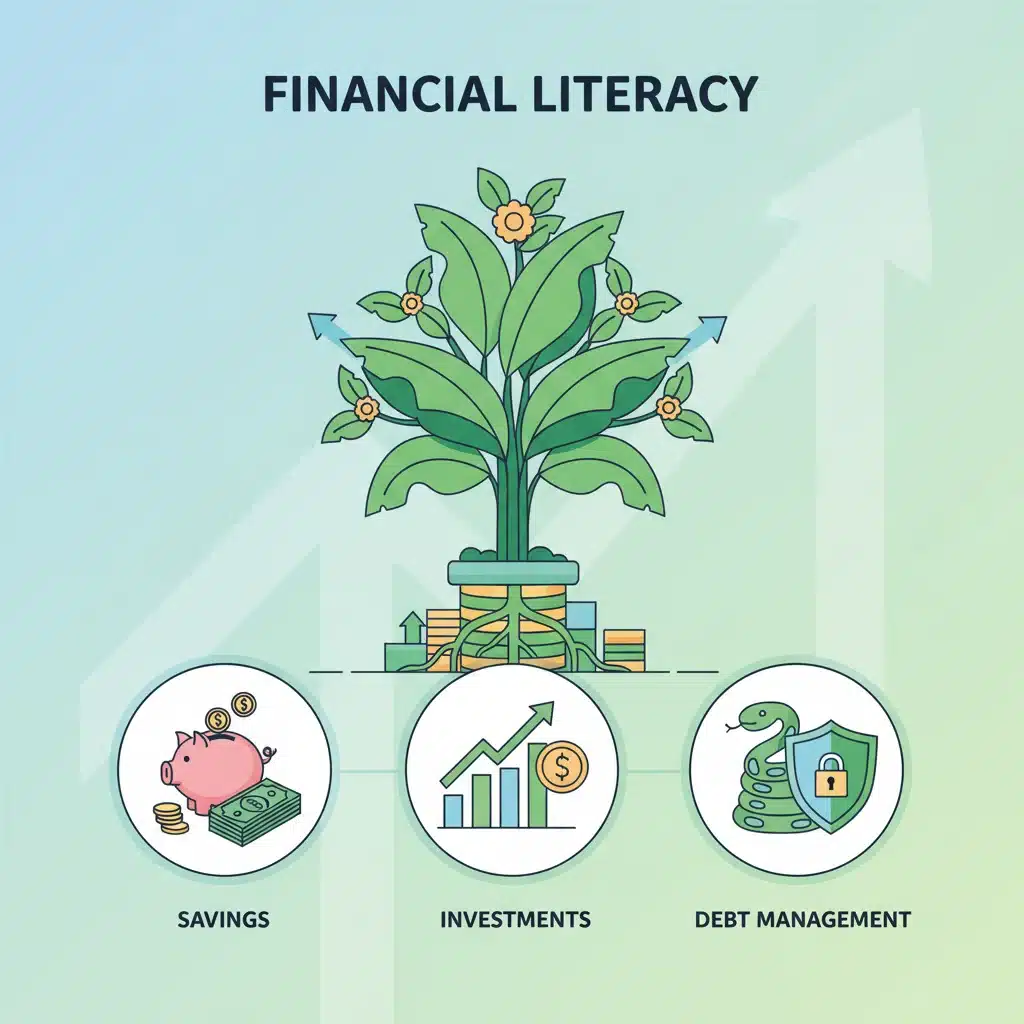
Financial stress is a leading cause of anxiety and can significantly impact an employee’s performance and overall well-being. Recognizing this, an increasing number of employers are offering robust financial wellness programs as a key component of their employer wellness benefits package. These programs aim to equip employees with the knowledge and tools to manage their finances effectively, reduce debt, save for the future, and achieve financial security.
Financial Literacy Workshops and Coaching
Many companies partner with financial advisors to offer workshops on topics such as budgeting, debt management, credit scores, and investment basics. Some even provide one-on-one financial coaching sessions, allowing employees to discuss their specific financial situations confidentially and receive personalized advice. These resources can be invaluable for anyone looking to improve their financial health.
Retirement Planning Assistance
Beyond simply offering a 401(k) or similar retirement plan, some employers provide comprehensive guidance on retirement planning. This can include seminars on maximizing contributions, understanding investment options, and projecting retirement needs. Some even offer access to financial planners who can help you develop a personalized retirement strategy.
Student Loan Repayment Support
With the burden of student loan debt affecting many employees, some progressive companies are now offering assistance with student loan repayment. This could come in the form of direct contributions, access to refinancing programs, or counseling services to help employees navigate their repayment options. This is a particularly impactful benefit for younger generations in the workforce.
Emergency Savings Programs
Building an emergency fund is a critical component of financial stability. Some employers facilitate this by offering automatic savings programs, matching contributions to emergency savings accounts, or providing educational resources on how to build a financial safety net. These employer wellness benefits help reduce financial vulnerability and stress.
Family, Social, and Community-Oriented Benefits
Wellness isn’t just an individual pursuit; it’s deeply intertwined with our relationships and community. Employers are increasingly recognizing this and offering benefits that support employees’ family lives, foster social connections, and encourage community engagement.
Childcare and Elder Care Resources
Balancing work with family responsibilities can be a significant source of stress. Many employers offer resources to help, such as subsidized childcare programs, access to backup care services, or platforms that connect employees with elder care providers. These employer wellness benefits can significantly alleviate the burden on working parents and caregivers.
Flexible Work Arrangements
While not a traditional ‘wellness program,’ flexible work arrangements (like remote work options, compressed workweeks, or flexible hours) contribute immensely to an employee’s well-being. They allow for better work-life integration, reduce commuting stress, and provide greater autonomy over one’s schedule, leading to improved mental and emotional health.
Volunteer Programs and Charitable Giving Matching
Giving back to the community can be incredibly rewarding and contribute to a sense of purpose and social well-being. Many employers organize volunteer days or offer programs that match employee donations to charities. These initiatives not only benefit the community but also foster camaraderie among employees and enhance their sense of belonging.
Employee Resource Groups (ERGs)
ERGs are voluntary, employee-led groups that foster a diverse, inclusive workplace. They provide a platform for employees with shared characteristics or life experiences to connect, share resources, and support each other. Participating in an ERG can enhance social wellness, provide mentorship opportunities, and create a stronger sense of community within the organization.
How to Discover and Maximize Your Employer Wellness Benefits
Knowing that these employer wellness benefits exist is one thing; actually finding and utilizing them is another. Here’s a strategic approach to ensure you’re not leaving valuable perks on the table.
1. Review Your Benefits Guide Thoroughly
The annual benefits guide, whether a physical document or an online portal, is your primary source of information. Don’t just skim the health insurance section. Look for sections on ‘wellness programs,’ ’employee resources,’ ‘work-life balance,’ or ‘professional development.’ These are often where the hidden gems are located.
2. Talk to HR or Your Benefits Administrator
Your Human Resources department or benefits administrator is an invaluable resource. Schedule a meeting or send an email asking specifically about all available wellness programs, mental health support, financial literacy resources, and any other non-traditional benefits. They can provide detailed information, enrollment instructions, and answer specific questions.
3. Check Your Company Intranet or Employee Portal
Many companies maintain an intranet or online employee portal where they post updates, resources, and information about benefits. Look for dedicated sections on wellness, employee well-being, or perks. This is often where you’ll find links to EAPs, digital wellness platforms, and upcoming workshops.
4. Participate in Wellness Fairs or Information Sessions
If your company hosts wellness fairs or information sessions, make an effort to attend. These events often bring together representatives from various benefit providers, allowing you to learn directly about programs and ask questions in person. They might also offer on-site screenings or demonstrations.
5. Ask Your Colleagues
Sometimes, the best way to discover hidden benefits is through word-of-mouth. Talk to colleagues who seem particularly engaged in wellness initiatives. They might have discovered programs or resources that aren’t widely advertised or can offer insights into the most valuable perks.
6. Set Personal Wellness Goals
Once you’ve identified the available employer wellness benefits, align them with your personal wellness goals. Do you want to reduce stress? Improve your financial literacy? Get more active? Knowing your goals will help you prioritize which benefits to explore first and how to integrate them into your routine for maximum impact.
7. Don’t Hesitate to Utilize Confidential Resources
Many wellness benefits, especially those related to mental health and financial counseling, are designed to be confidential. Don’t let privacy concerns deter you. Employers understand the importance of discretion and structure these programs to protect your personal information.
The Long-Term Impact: A 20% Boost to Your Health
The cumulative effect of actively engaging with your employer wellness benefits can be profound. By addressing physical, mental, emotional, and financial aspects of your well-being, you’re not just treating symptoms; you’re building a foundation for sustainable health and happiness. Imagine the difference a year of consistent access to therapy, personalized nutrition advice, financial coaching, and regular fitness classes could make.
A 20% improvement in your health isn’t an arbitrary number; it represents a significant shift from feeling merely ‘okay’ to thriving. It could mean:
- Reduced stress and anxiety, leading to better sleep and improved mood.
- Increased physical fitness, energy levels, and reduced risk of chronic diseases.
- Greater financial stability, leading to less worry and more freedom.
- Enhanced coping mechanisms and resilience in the face of challenges.
- A stronger sense of community and connection, both at work and in your personal life.
These improvements translate into a better quality of life, both inside and outside of the workplace. When you feel better, you perform better, you engage more meaningfully with your loved ones, and you approach life with greater optimism and energy.
Conclusion: Take Control of Your Well-being in 2026
In 2026, your employer is likely offering a treasure trove of employer wellness benefits that extend far beyond the traditional health insurance plan. These are not just perks; they are investments in your most valuable asset: yourself. From comprehensive mental health support and financial literacy programs to personalized fitness challenges and family care resources, the opportunities to enhance your well-being are abundant.
Don’t be a passive recipient of benefits information. Be proactive. Take the time to explore your options, ask questions, and integrate these resources into your daily life. By doing so, you can unlock a healthier, happier, and more secure future, potentially boosting your overall health by 20% or more. Your well-being is a journey, and your employer is increasingly offering a powerful co-pilot. Make sure you’re utilizing every resource at your disposal to make 2026 your healthiest year yet.