MedTech Cybersecurity Education: Protecting Patient Data

In an increasingly interconnected world, the healthcare industry stands at a critical juncture. The rapid evolution of medical technology (MedTech) has brought unprecedented advancements in patient care, diagnosis, and treatment. From sophisticated imaging devices and remote monitoring systems to intelligent surgical instruments and electronic health records (EHRs), MedTech devices are transforming the landscape of modern medicine. However, this progress comes with a significant challenge: safeguarding the vast amounts of sensitive patient data these devices generate and transmit. The imperative for robust medtech cybersecurity education has never been more urgent. Without a comprehensive understanding of the risks and the best practices for mitigation, healthcare organizations risk severe data breaches, compromised patient safety, and significant financial and reputational damage.
The digital transformation of healthcare has blurred the lines between traditional medical practice and advanced information technology. Medical devices, once standalone and isolated, are now often networked, wirelessly connected, and integrated with hospital IT systems, cloud services, and even personal mobile devices. This interconnectedness, while offering immense benefits in terms of efficiency and accessibility, also creates a complex attack surface for cybercriminals. The consequences of a successful cyberattack on MedTech devices can range from the theft of confidential patient information to the disruption of critical medical procedures, potentially endangering lives. Therefore, investing in thorough medtech cybersecurity education is not merely an IT concern; it is a fundamental pillar of patient safety and quality care.
This article delves into the critical need for comprehensive medtech cybersecurity education, exploring the unique challenges posed by medical devices, the regulatory landscape, practical solutions for securing patient data, and the role of continuous training in building a resilient healthcare cybersecurity posture. We will examine why traditional IT security approaches are often insufficient for MedTech and highlight the specific knowledge and skills required to effectively protect these vital assets.
The Evolving Threat Landscape for MedTech Devices
The threats targeting MedTech devices are diverse and constantly evolving. Unlike typical enterprise IT systems, medical devices often have unique characteristics that make them particularly vulnerable. Many older devices were not designed with cybersecurity in mind, lacking fundamental security features such as strong authentication, encryption, and secure update mechanisms. Even newer devices, while more secure, can still be susceptible to sophisticated attacks if not properly configured, managed, and monitored.
Common cyber threats to MedTech include:
- Ransomware: This malicious software can encrypt critical data or lock access to devices, demanding a ransom for their release. In healthcare, ransomware attacks can paralyze hospital operations, delay patient care, and even lead to fatal outcomes.
- Phishing and Social Engineering: Human error remains a significant vulnerability. Attackers often trick healthcare professionals into revealing credentials or installing malware through deceptive emails or social engineering tactics, gaining unauthorized access to networks where MedTech devices reside.
- Malware and Viruses: Standard malware can infect medical devices, disrupting their functionality, corrupting data, or turning them into pivot points for further attacks within the network.
- Insider Threats: Malicious or negligent insiders can pose a significant risk, whether through intentional data theft, accidental misconfigurations, or unauthorized access to sensitive systems.
- Supply Chain Attacks: Vulnerabilities introduced during the manufacturing or supply chain process can compromise devices before they even reach the healthcare facility, making it crucial to vet vendors and ensure secure development practices.
- Denial of Service (DoS) Attacks: These attacks can disrupt the availability of critical medical devices, preventing them from performing their intended functions and potentially harming patients.
The sheer volume and sensitivity of patient data processed by MedTech devices make them prime targets. A breach can expose personal health information (PHI), financial details, and even genetic data, leading to identity theft, fraud, and severe privacy violations. Therefore, comprehensive medtech cybersecurity education must address not only the technical aspects of securing devices but also the human element and the broader organizational culture of security.
Why Traditional IT Security Isn’t Enough for MedTech
While general IT security principles are foundational, applying them directly to MedTech devices presents unique challenges. Medical devices are often specialized, proprietary systems with long lifecycles, and their primary function is patient care, not data processing. This leads to several distinctions:
- Operational Constraints: Medical devices cannot always be taken offline for security patches or updates without impacting patient care. Downtime can be critical, requiring careful planning and coordination.
- Legacy Systems: Many healthcare facilities still rely on older, legacy medical devices that may not support modern security controls or operating systems, making them inherently more vulnerable.
- Regulatory Compliance: Healthcare is a heavily regulated industry. Security measures must comply with regulations like HIPAA, GDPR, and country-specific medical device regulations, which often have specific requirements for data protection and device integrity.
- Vendor Dependence: Healthcare organizations are often dependent on device manufacturers for security updates, patches, and support. This reliance can create delays and complexities in addressing vulnerabilities.
- Interoperability Issues: Integrating diverse medical devices from different manufacturers into a cohesive and secure network can be challenging due to varying communication protocols and security standards.
- Physical Security: While often overlooked, the physical security of medical devices is also crucial. Unauthorized physical access can lead to tampering or data extraction.
These factors necessitate a specialized approach to cybersecurity that goes beyond generic IT security training. Healthcare professionals, IT staff, and device manufacturers all require targeted medtech cybersecurity education to understand these nuances and implement effective safeguards.
Key Components of Effective MedTech Cybersecurity Education
A robust medtech cybersecurity education program should be multifaceted, addressing the needs of various stakeholders within a healthcare organization. It should cover technical skills, policy adherence, and a strong culture of security. Here are the essential components:
1. Understanding the Regulatory Landscape
Compliance with healthcare regulations is non-negotiable. Education must include a thorough understanding of:
- HIPAA (Health Insurance Portability and Accountability Act): Focusing on the Privacy Rule and Security Rule, which dictate how PHI must be protected.
- GDPR (General Data Protection Regulation): For organizations handling data of EU citizens, understanding data protection principles, individual rights, and breach notification requirements.
- FDA Guidance for Medical Device Cybersecurity: The Food and Drug Administration (FDA) provides guidance for manufacturers and healthcare providers on pre-market and post-market cybersecurity management for medical devices.
- NIST Cybersecurity Framework: A voluntary framework that helps organizations manage and reduce cybersecurity risks, highly applicable to healthcare.
Understanding these regulations helps ensure that all security measures are not only effective but also legally compliant, mitigating risks of fines and legal repercussions.
2. Device-Specific Security Best Practices
Medtech cybersecurity education must delve into the practical aspects of securing different types of medical devices. This includes:
- Secure Configuration: Training on how to properly configure devices, change default passwords, disable unnecessary services, and implement least privilege access.
- Patch Management: Strategies for timely patching and updating of device software and firmware, considering operational constraints and vendor dependencies.
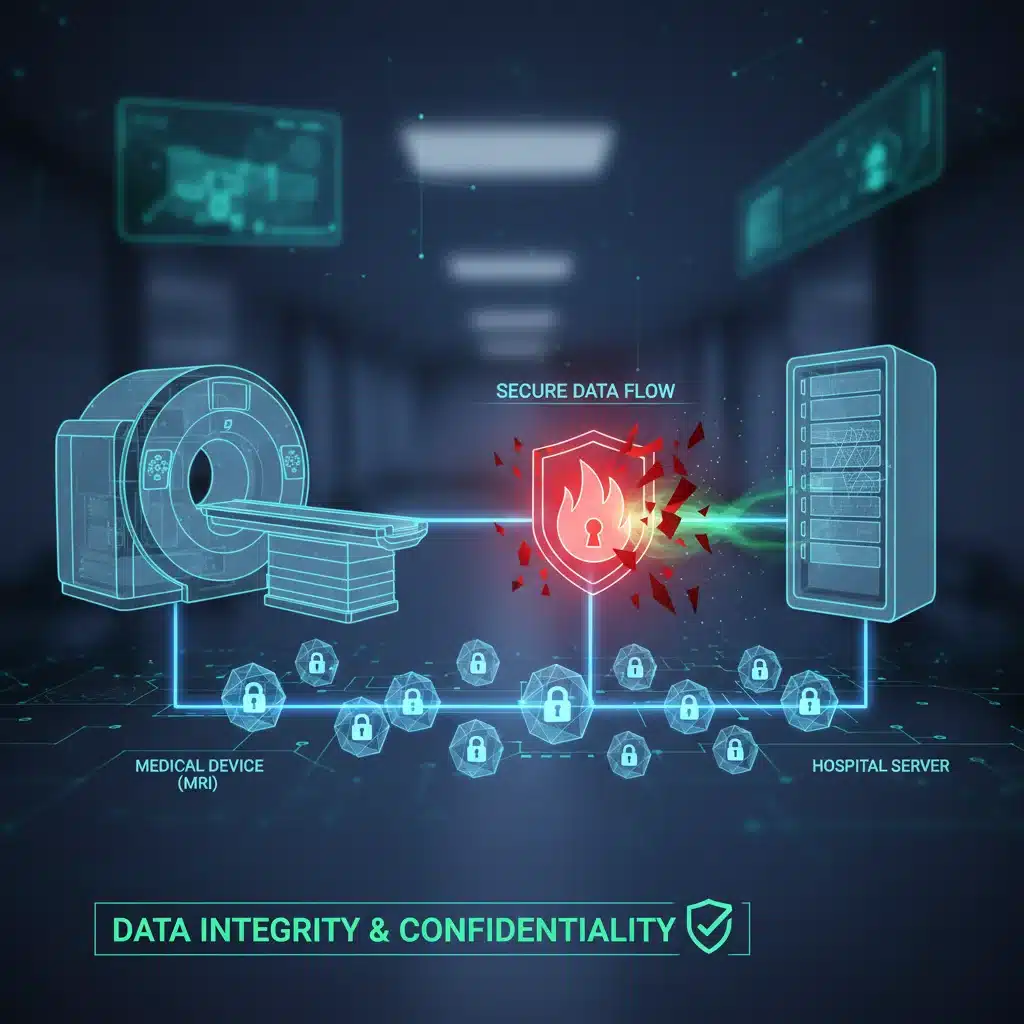
- Network Segmentation: Educating IT and clinical staff on segmenting medical device networks to isolate vulnerable devices and limit the lateral movement of threats.
- Encryption: Understanding when and how to implement encryption for data at rest and in transit, especially for sensitive patient data.
- Access Control: Implementing strong authentication mechanisms, multi-factor authentication (MFA), and role-based access control (RBAC) to ensure only authorized personnel can access devices and data.
- Endpoint Protection: Deploying and managing specialized endpoint security solutions designed for medical devices.
3. Incident Response and Recovery Planning
No security measure is foolproof. Effective medtech cybersecurity education must prepare staff for when a breach occurs. This involves:
- Incident Identification: Training staff to recognize suspicious activities, anomalies, and potential security incidents.
- Containment and Eradication: Procedures for isolating compromised devices, stopping the spread of malware, and removing threats.
- Recovery and Restoration: Protocols for restoring affected systems and data from backups, ensuring business continuity and minimal disruption to patient care.
- Post-Incident Analysis: Learning from incidents to improve security posture and prevent future occurrences.
- Communication Protocols: Establishing clear communication plans for notifying affected patients, regulatory bodies, and internal stakeholders.
4. Human Element and Security Awareness
The human factor is often the weakest link in the security chain. Therefore, a significant portion of medtech cybersecurity education should focus on general security awareness for all staff, including:
- Phishing Awareness: Training to identify and report phishing emails and suspicious links.
- Strong Password Practices: Emphasizing the importance of unique, complex passwords and the dangers of password reuse.
- Data Handling Procedures: Proper protocols for handling, storing, and transmitting patient data, including secure disposal of information.
- Physical Security Awareness: Reinforcing the importance of securing physical access to devices and facilities.
- Clean Desk Policy: Encouraging staff to keep workspaces clear of sensitive information.
- Reporting Suspicious Activity: Creating a culture where employees feel comfortable and empowered to report any unusual or potentially malicious activity.
5. Collaboration and Communication
Effective cybersecurity in healthcare is a shared responsibility. Medtech cybersecurity education should foster collaboration between:
- IT and Clinical Staff: Bridging the gap between technical teams and medical practitioners to ensure security measures are practical and don’t impede patient care.
- Manufacturers and Healthcare Providers: Encouraging open communication regarding device vulnerabilities and security updates.
- Leadership and Staff: Ensuring cybersecurity is a top-down priority, with leadership providing necessary resources and support.
Implementing a Continuous MedTech Cybersecurity Education Program
Cyber threats are constantly evolving, meaning cybersecurity education cannot be a one-time event. It must be an ongoing, continuous process. Here’s how to implement such a program:
- Assess Current Knowledge Gaps: Start by evaluating the current cybersecurity awareness and technical skills of your staff. This can be done through surveys, quizzes, or simulated phishing attacks.
- Develop Tailored Training Modules: Create specific training content for different roles (e.g., IT staff, clinicians, administrators, researchers). A general practitioner needs different cybersecurity knowledge than a network engineer.
- Utilize Diverse Training Methods: Employ a mix of online courses, in-person workshops, webinars, tabletop exercises, and regular security awareness campaigns (e.g., posters, newsletters, email reminders). Interactive and engaging methods tend to be more effective.
- Regular Refreshers and Updates: Conduct annual or bi-annual refresher training sessions. Update content regularly to reflect new threats, technologies, and regulatory changes.
- Simulated Attacks and Drills: Periodically conduct simulated phishing attacks or penetration tests to evaluate staff responsiveness and identify areas for improvement. Tabletop exercises can help teams practice incident response scenarios without real-world impact.
- Measure Effectiveness: Track key metrics suchs as phishing click rates, incident response times, and compliance with security policies. Use this data to refine the education program.
- Leadership Buy-in and Support: Ensure that senior leadership champions cybersecurity education, providing the necessary resources and emphasizing its importance across the organization.
By establishing a culture of continuous learning and vigilance, healthcare organizations can significantly enhance their ability to protect patient data and maintain the integrity of their MedTech infrastructure. This proactive approach to medtech cybersecurity education is fundamental to mitigating risks in an increasingly digital and interconnected healthcare environment.

The Role of Medical Device Manufacturers in Education
While healthcare providers bear the primary responsibility for securing their environments, medical device manufacturers play a crucial role in empowering them through education and secure product design. Manufacturers should:
- Design for Security: Build security into devices from the ground up (Security by Design), rather than treating it as an afterthought. This includes secure coding practices, robust authentication, and secure update mechanisms.
- Provide Comprehensive Documentation: Offer clear and detailed security documentation, including instructions for secure configuration, patching, and incident response.
- Offer Training and Support: Provide training to healthcare IT and clinical staff on the specific security features and requirements of their devices.
- Vulnerability Disclosure Programs: Establish clear channels for reporting vulnerabilities and commit to timely patching and communication of security advisories.
- Participate in Industry Standards: Collaborate with industry bodies to develop and promote robust cybersecurity standards for medical devices.
When manufacturers prioritize security and actively contribute to the medtech cybersecurity education of their customers, it creates a stronger, more resilient ecosystem for patient care.
Future Trends in MedTech Cybersecurity Education
The landscape of MedTech and cybersecurity is dynamic, requiring continuous adaptation in educational approaches. Several trends will shape the future of medtech cybersecurity education:
- AI and Machine Learning in Security: As AI becomes more prevalent in medical devices, education will need to cover the security implications of AI models, including bias, data integrity, and adversarial attacks.
- IoT and IoMT (Internet of Medical Things): The proliferation of connected medical devices will necessitate specialized training on securing vast networks of diverse endpoints, managing device lifecycles, and addressing unique communication protocols.
- Cloud Security for Healthcare: With more healthcare data and applications moving to the cloud, education on cloud security best practices, shared responsibility models, and data residency will become paramount.
- Threat Intelligence Sharing: The importance of sharing threat intelligence within the healthcare sector will grow, requiring education on how to effectively consume and act upon this information.
- Gamification and Immersive Learning: Engaging and interactive learning experiences, such as gamified training modules and virtual reality simulations, could become more common to improve retention and practical application of cybersecurity knowledge.
- Emphasis on Cyber-Physical Systems Security: Education will increasingly focus on the intersection of cybersecurity and physical safety, understanding how cyberattacks can directly impact the operational integrity and physical function of medical devices.
Staying ahead of these trends will be crucial for developing effective medtech cybersecurity education programs that prepare healthcare professionals for the challenges of tomorrow.
Conclusion: A Collective Commitment to Patient Data Protection
The integration of advanced medical devices into healthcare delivery offers immense promise, but it also introduces complex cybersecurity risks that demand proactive and comprehensive solutions. At the heart of these solutions lies robust and continuous medtech cybersecurity education. It is not enough to simply implement technology; the human element, equipped with the right knowledge and skills, is the ultimate defense against cyber threats.
By investing in thorough training programs that cover regulatory compliance, device-specific security, incident response, and general security awareness, healthcare organizations can build a resilient security posture. This commitment extends beyond IT departments, encompassing clinicians, administrators, and even medical device manufacturers, fostering a collective responsibility for patient data protection.
As MedTech continues to innovate, so too must our approach to securing it. Prioritizing medtech cybersecurity education is not just a best practice; it is an ethical imperative that ensures the safety, privacy, and trust of patients in the digital age of healthcare. The future of medicine depends on our ability to harness technology safely and securely, and education is the cornerstone of that endeavor.