HIPAA Compliance Training 2026: MedTech Updates Explained
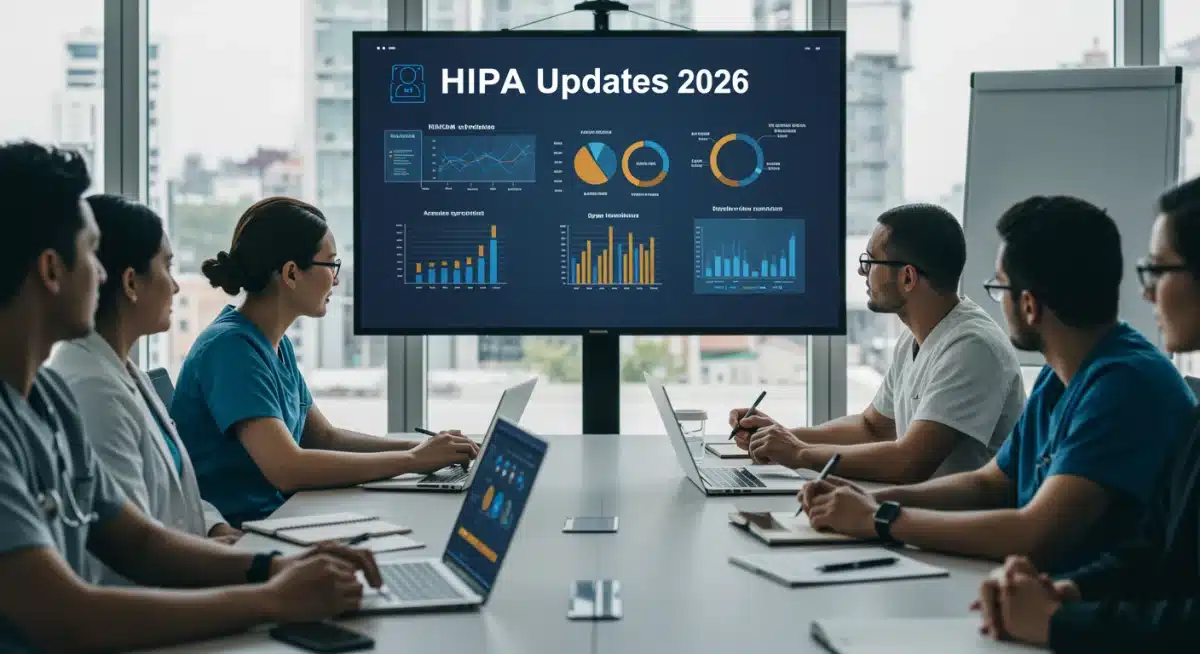
In the rapidly evolving landscape of healthcare and technology, staying abreast of regulatory changes is not merely a recommendation but a critical imperative. For MedTech professionals, the Health Insurance Portability and Accountability Act (HIPAA) forms the bedrock of patient data protection. As we approach 2026, significant updates to HIPAA compliance training requirements are set to reshape how medical technology companies and their personnel handle sensitive patient information. This comprehensive guide will delve into these new mandates, their implications, and provide actionable strategies to ensure your organization remains fully compliant. Understanding these changes is crucial for mitigating risks, avoiding hefty penalties, and, most importantly, upholding patient trust. The focus on HIPAA Training 2026 for MedTech is paramount, given the increasing integration of technology in patient care and data management.
The digital transformation of healthcare has brought unprecedented opportunities for innovation, efficiency, and improved patient outcomes. However, it has also introduced new vulnerabilities and complexities concerning data privacy and security. Medical devices, software as a medical device (SaMD), health apps, and digital health platforms all collect, process, and transmit vast amounts of Protected Health Information (PHI). This makes MedTech companies inherently responsible for safeguarding this data under HIPAA. The upcoming changes in 2026 are designed to address emerging threats and technological advancements, ensuring that the regulatory framework remains robust and relevant in a dynamic environment. Effective HIPAA Training 2026 will be the cornerstone of successful adaptation.
The Evolving Landscape of HIPAA: Why 2026 Matters for MedTech
HIPAA, enacted in 1996, established national standards for the protection of certain health information. Over the years, it has undergone various amendments and expansions, most notably with the HITECH Act of 2009 and the Omnibus Rule of 2013, which strengthened enforcement and extended provisions to business associates. The 2026 updates are a continuation of this evolution, reflecting the U.S. Department of Health and Human Services (HHS) Office for Civil Rights (OCR)’s commitment to adapting HIPAA to modern challenges. These challenges include the proliferation of connected medical devices, the rise of telehealth, and sophisticated cyber threats. For MedTech organizations, this means a renewed focus on risk assessments, updated policies, and, crucially, enhanced HIPAA Training 2026 programs.
The MedTech sector, by its very nature, operates at the intersection of healthcare and technology. This unique position places a significant burden of responsibility on companies to not only innovate but also to ensure the privacy and security of the data they handle. Medical devices, from wearable sensors to complex diagnostic equipment, often collect biometric data, physiological readings, and other highly sensitive information. Cloud-based platforms used for data storage, analytics, and remote patient monitoring further complicate the compliance picture. The new regulations aim to clarify expectations in these areas, providing a clearer roadmap for secure data handling. Therefore, comprehensive HIPAA Training 2026 will be essential for all personnel involved in these processes.
Key Areas of Focus in the 2026 HIPAA Updates
While the full details of all 2026 updates are continuously being refined, several key themes have emerged that will significantly impact MedTech. These include:
- Enhanced Cybersecurity Requirements: With the increasing frequency and sophistication of cyberattacks targeting healthcare organizations, the new updates are expected to mandate more robust cybersecurity measures. This could involve stricter requirements for encryption, multi-factor authentication, intrusion detection systems, and incident response planning. MedTech companies developing and deploying networked medical devices will need to ensure their products and internal systems meet these elevated security standards.
- Expanded Definition of PHI in Digital Contexts: The definition of PHI may be expanded to explicitly include new types of digital health data generated by consumer-grade devices or health apps that integrate with medical systems. This will require MedTech companies to re-evaluate what data they collect and how it is classified and protected.
- Greater Emphasis on Business Associate Agreements (BAAs): As MedTech companies often rely on third-party vendors for cloud services, data analytics, and other critical functions, the 2026 updates are likely to strengthen requirements for Business Associate Agreements (BAAs). These agreements ensure that third parties adequately protect PHI in accordance with HIPAA. MedTech professionals involved in vendor management and contracting will need specific training on these updated BAA requirements.
- Updated Breach Notification Protocols: The regulations may introduce more stringent or clarified timelines and procedures for reporting data breaches, especially those involving new types of digital health data. Prompt and accurate breach notification is critical for minimizing harm and maintaining trust.
- Clarification on Interoperability and Data Sharing: As the healthcare industry moves towards greater data interoperability, the updates may provide clearer guidance on how PHI can be securely shared between different systems and organizations while maintaining compliance. This is particularly relevant for MedTech companies involved in developing interoperable solutions.
- Focus on Artificial Intelligence (AI) and Machine Learning (ML) in Healthcare: The ethical and privacy implications of using AI and ML with PHI are a growing concern. The 2026 updates might offer specific guidance on how to develop, deploy, and monitor AI/ML systems that process PHI in a HIPAA-compliant manner, including requirements for data anonymization, de-identification, and algorithmic transparency.
Each of these areas necessitates a thorough review of existing policies, procedures, and, most importantly, training programs. The goal of HIPAA Training 2026 is to equip all employees with the knowledge and skills to navigate these new complexities effectively.
The Imperative of Updated HIPAA Training for MedTech Professionals
For MedTech organizations, the implications of these new HIPAA regulations extend far beyond mere policy adjustments. They demand a fundamental shift in how employees understand and apply privacy and security principles in their daily work. Outdated training programs are no longer sufficient. The HIPAA Training 2026 curriculum must be dynamic, comprehensive, and tailored to the unique risks and responsibilities within the medical technology sector.
Who Needs to Be Trained and What Should the Training Cover?
Virtually every employee within a MedTech organization who has access to, processes, or transmits PHI, directly or indirectly, needs to undergo updated HIPAA Training 2026. This includes, but is not limited to:
- Engineers and Developers: Those designing and building medical devices, software, and platforms must understand privacy-by-design principles, secure coding practices, and data minimization techniques.
- Sales and Marketing Teams: Professionals who interact with healthcare providers and discuss product capabilities involving PHI need to understand appropriate data handling and communication protocols.
- IT and Cybersecurity Personnel: These teams are on the front lines of defense and require in-depth knowledge of security rule updates, incident response, and threat mitigation strategies.
- Customer Support and Field Service Technicians: Employees who may access devices or systems containing PHI during troubleshooting or maintenance must be trained on proper access controls and data handling procedures.
- Management and Leadership: Leaders must understand their organizational responsibilities, the financial and reputational risks of non-compliance, and the importance of fostering a culture of privacy and security.
- Legal and Compliance Departments: These teams will be responsible for interpreting the new regulations, updating policies, and ensuring the training program is robust and effective.
The content of HIPAA Training 2026 should be granular and role-specific, moving beyond generic definitions to practical application. Key training topics should include:
- Refresher on Core HIPAA Principles: Privacy Rule, Security Rule, Breach Notification Rule, and Enforcement Rule.
- Detailed Analysis of 2026 Updates: Specific changes related to cybersecurity, PHI definition, BAAs, and breach protocols.
- Practical Scenarios and Case Studies: Real-world examples relevant to MedTech operations, demonstrating compliant and non-compliant behaviors.
- Data Minimization and De-identification Techniques: How to collect, use, and share only the necessary amount of PHI and methods for de-identifying data for analytics or research.
- Secure Data Handling Best Practices: Proper storage, transmission, and disposal of PHI, including mobile device security and cloud computing considerations.
- Recognizing and Reporting Security Incidents: Clear procedures for identifying potential breaches, suspicious activities, and the correct channels for reporting them.
- Patient Rights Under HIPAA: Understanding patient access rights, amendment rights, and the right to an accounting of disclosures.
- Business Associate Agreement Compliance: The responsibilities of MedTech companies when engaging with business associates and ensuring their compliance.
- Emerging Technologies and HIPAA: Specific guidance on AI, machine learning, IoT medical devices, and telehealth platforms regarding PHI.
Effective HIPAA Training 2026 should not be a one-time event but an ongoing process, incorporating regular refreshers and updates as new threats emerge or regulatory interpretations evolve.
Strategies for Implementing Effective HIPAA Training in 2026
Implementing a successful HIPAA Training 2026 program requires careful planning, robust resources, and a commitment from leadership. Here are key strategies:
1. Conduct a Comprehensive Risk Assessment and Gap Analysis
Before designing any training, MedTech organizations must first understand their current vulnerabilities and compliance gaps. A thorough risk assessment should identify where PHI is stored, transmitted, and processed within the organization and by its business associates. This assessment should also evaluate current security controls, policies, and existing training deficiencies. This foundational step will inform the specific areas that require the most attention in your HIPAA Training 2026 curriculum.
2. Develop a Tailored and Engaging Training Curriculum
Generic, one-size-fits-all training is often ineffective. Develop a curriculum that is specific to the MedTech industry and the various roles within your organization. Use a variety of training modalities to keep employees engaged:
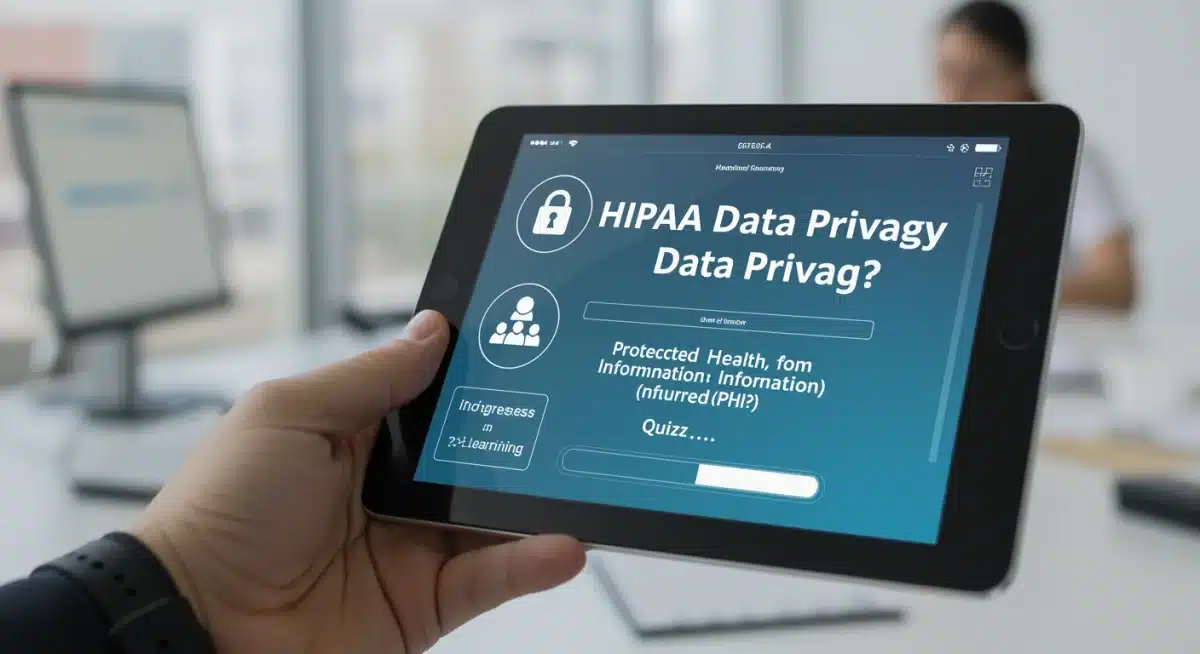
- Interactive E-learning Modules: Allow employees to learn at their own pace with interactive quizzes, videos, and scenario-based questions.
- Live Webinars and Workshops: Provide opportunities for real-time interaction, Q&A sessions with experts, and in-depth discussions of complex topics.
- Role-Playing Exercises: Simulate real-world situations, such as handling a patient data request or responding to a suspected breach.
- Regular Communication and Reminders: Use internal newsletters, posters, and intranet portals to reinforce key HIPAA principles throughout the year.
- Gamification: Incorporate elements of game design, such as points, badges, and leaderboards, to make learning more enjoyable and competitive.
The goal is to move beyond passive learning to active engagement, ensuring that employees not only understand the rules but also internalize their importance. This is crucial for effective HIPAA Training 2026.
3. Leverage Technology for Training Delivery and Tracking
Learning Management Systems (LMS) are invaluable for delivering, tracking, and managing HIPAA Training 2026. An LMS can:
- Deliver customized content to different employee groups.
- Track completion rates and quiz scores.
- Generate reports for audit purposes.
- Automate reminder notifications for recurring training.
- Provide a centralized repository for training materials and resources.
Utilizing technology ensures consistency, scalability, and verifiable documentation, which is essential for demonstrating compliance to regulatory bodies. This also makes the administration of HIPAA Training 2026 more efficient.
4. Foster a Culture of Privacy and Security
Training alone is not enough. HIPAA compliance must be embedded in the organizational culture. This means:
- Leadership Buy-in: Management must visibly champion privacy and security, setting the tone from the top.
- Continuous Awareness: Regular communications, security alerts, and privacy tips keep HIPAA top of mind.
- Open Communication Channels: Employees should feel comfortable reporting concerns or asking questions without fear of reprisal.
- Performance Integration: Incorporate HIPAA compliance into job descriptions, performance reviews, and employee recognition programs.
A strong privacy culture significantly reduces the risk of human error and malicious activity, complementing the formal HIPAA Training 2026 efforts.
5. Regular Review and Updates
The regulatory landscape and technological threats are constantly evolving. Your HIPAA Training 2026 program must be a living document, subject to continuous review and updates. Schedule annual reviews of your training content, and be prepared to make ad-hoc updates whenever there are significant changes in regulations, new security threats, or internal policy modifications. This iterative approach ensures that your training remains relevant and effective.
The Consequences of Non-Compliance in MedTech
The stakes for HIPAA compliance are incredibly high, especially for MedTech organizations handling vast amounts of sensitive patient data. Non-compliance can lead to severe consequences, impacting a company’s financial health, reputation, and operational continuity. Understanding these potential repercussions underscores the critical importance of robust HIPAA Training 2026.
Financial Penalties
The OCR enforces HIPAA regulations and has the authority to levy substantial civil monetary penalties (CMPs). These penalties are tiered based on the level of culpability and can range from thousands to millions of dollars per violation category:
- Tier 1 (Unknowing): The covered entity or business associate did not know and, by exercising reasonable diligence, would not have known that a violation occurred. Penalties range from $127 to $31,940 per violation, up to an annual maximum of $31,940.
- Tier 2 (Reasonable Cause): The violation was due to reasonable cause and not willful neglect. Penalties range from $1,278 to $63,947 per violation, up to an annual maximum of $127,891.
- Tier 3 (Willful Neglect – Corrected): The violation was due to willful neglect but was corrected within the required time period. Penalties range from $12,781 to $63,947 per violation, up to an annual maximum of $255,793.
- Tier 4 (Willful Neglect – Not Corrected): The violation was due to willful neglect and was not corrected. Penalties range from $63,947 to $1,918,162 per violation, up to an annual maximum of $1,918,162.
These figures are subject to annual adjustments for inflation. For a large MedTech company, a single breach affecting thousands or millions of individuals could quickly escalate into multi-million dollar fines, crippling operations and diverting critical resources. Moreover, these penalties don’t include the costs associated with breach notification, credit monitoring services for affected individuals, legal fees, and forensic investigations.
Reputational Damage and Loss of Trust
Beyond financial penalties, a HIPAA violation can severely damage a MedTech company’s reputation. In the healthcare sector, trust is paramount. A data breach or privacy lapse can erode patient confidence, deter healthcare providers from using your products or services, and negatively impact partnerships. Rebuilding a tarnished reputation can take years and significant marketing efforts, often at a substantial cost. News of breaches spreads rapidly, impacting stock prices, investor confidence, and talent acquisition. A robust HIPAA Training 2026 program is a proactive measure to protect this invaluable asset.
Legal Ramifications and Lawsuits
In addition to federal penalties, MedTech companies may face state-level enforcement actions and civil lawsuits from affected individuals. While HIPAA does not provide a private right of action, state laws often allow individuals to sue for damages resulting from privacy violations. Furthermore, state Attorneys General can bring actions on behalf of their residents. These legal battles can be protracted, expensive, and yield significant settlements or judgments, further compounding the financial burden of non-compliance. Ensuring comprehensive HIPAA Training 2026 helps to minimize the likelihood of such legal challenges.
Operational Disruptions and Business Associate Agreement Terminations
A serious HIPAA violation or breach can lead to significant operational disruptions. Investigations by the OCR can be lengthy and resource-intensive, requiring extensive documentation and employee interviews. Furthermore, if a MedTech company is a business associate to other covered entities, a compliance failure could lead to the termination of lucrative contracts, severely impacting revenue streams and market share. Covered entities are increasingly scrutinizing their business associates’ compliance posture, making robust HIPAA Training 2026 a competitive differentiator.
Criminal Charges
In cases of egregious or willful neglect, individuals responsible for HIPAA violations can face criminal charges, including fines and imprisonment. While less common, this possibility highlights the serious nature of HIPAA compliance and the personal accountability that can arise from severe lapses in data protection. This underscores the need for every employee to take HIPAA Training 2026 seriously.
Given these severe consequences, investing in and meticulously implementing updated HIPAA Training 2026 is not just a regulatory obligation but a strategic business imperative for every MedTech organization. It protects patients, safeguards the company’s financial health, preserves its reputation, and ensures its continued ability to innovate and contribute to healthcare advancements.

The Role of Leadership in Driving HIPAA Compliance and Training
Effective HIPAA Training 2026 and overall compliance within a MedTech organization are inextricably linked to the commitment and active involvement of its leadership. Leadership plays a pivotal role in setting the tone, allocating resources, and fostering a culture where privacy and security are paramount. Without strong leadership buy-in, even the most meticulously designed training programs can fall short.
Setting the Strategic Vision
Leaders must articulate a clear vision for HIPAA compliance, emphasizing its importance not just as a regulatory burden but as a core ethical responsibility and a competitive advantage. This strategic vision should be communicated consistently across all levels of the organization, ensuring that every employee understands why HIPAA Training 2026 is critical to the company’s mission and values. When leadership champions compliance, it signals to employees that this is a non-negotiable aspect of their job functions.
Allocating Necessary Resources
Achieving and maintaining HIPAA compliance, especially with the 2026 updates, requires significant investment. Leadership must allocate adequate financial, human, and technological resources to support compliance efforts. This includes budgeting for:
- Comprehensive Training Programs: Investing in high-quality, up-to-date HIPAA Training 2026 materials, platforms, and expert facilitators.
- Dedicated Compliance Personnel: Ensuring there are sufficient staff, such as a Privacy Officer and Security Officer, with the expertise to manage compliance programs.
- Security Technologies: Implementing and maintaining robust cybersecurity tools, encryption solutions, and data loss prevention systems.
- Legal and Consulting Expertise: Engaging legal counsel and specialized consultants to interpret complex regulations and provide guidance.
Underspending in these areas can lead to costly non-compliance issues down the line. Leadership’s willingness to invest demonstrates their commitment to effective HIPAA Training 2026.
Fostering a Culture of Accountability
Leaders are responsible for establishing a culture of accountability where every employee understands their role in protecting PHI. This involves:
- Clear Policies and Procedures: Ensuring that comprehensive and easy-to-understand policies are in place and regularly updated.
- Enforcement of Sanctions: Consistently applying disciplinary actions for HIPAA violations, regardless of an employee’s position, to reinforce the seriousness of compliance.
- Positive Reinforcement: Recognizing and rewarding employees who demonstrate exemplary privacy and security practices.
- Open Communication: Creating an environment where employees feel comfortable reporting potential privacy or security concerns without fear of retaliation.
Such a culture ensures that the lessons learned during HIPAA Training 2026 are actively applied and upheld in daily operations.
Leading by Example
Perhaps most importantly, leaders must lead by example. They should actively participate in HIPAA Training 2026, adhere to all privacy and security policies, and demonstrate a conscious commitment to safeguarding PHI in their own work. When employees see their leaders taking compliance seriously, it significantly enhances the effectiveness of training and reinforces the importance of their own adherence.
In essence, leadership’s role in HIPAA compliance is not supervisory; it is foundational. By setting the vision, providing the resources, fostering accountability, and leading by example, MedTech leaders can ensure that their organizations are not only compliant with the 2026 updates but also build a resilient and trustworthy enterprise that prioritizes patient data protection.
Conclusion: Proactive Compliance Through Effective HIPAA Training 2026
The upcoming 2026 updates to HIPAA compliance training requirements represent a significant milestone for MedTech professionals. These changes are a direct response to the dynamic evolution of healthcare technology and the persistent threats to patient data privacy and security. For MedTech organizations, the message is clear: proactive engagement and robust adaptation are not optional but essential for continued success and ethical operation.
Investing in comprehensive, tailored, and ongoing HIPAA Training 2026 is the most effective strategy to prepare for and navigate this evolving regulatory landscape. Such training empowers employees at all levels with the knowledge, skills, and awareness necessary to protect Protected Health Information (PHI) effectively. It transforms compliance from a mere checkbox exercise into an embedded aspect of organizational culture, driven by a deep understanding of its importance.
By conducting thorough risk assessments, developing engaging and role-specific curricula, leveraging modern training technologies, and fostering a strong culture of privacy and security, MedTech companies can ensure they are well-positioned to meet the new demands. Furthermore, strong leadership commitment and resource allocation are critical for the successful implementation and sustained effectiveness of any compliance program.
The consequences of non-compliance—ranging from crippling financial penalties and severe reputational damage to potential legal actions and operational disruptions—underscore the gravity of these requirements. In a sector built on innovation and trust, safeguarding patient data through diligent HIPPA Training 2026 is not just about avoiding penalties; it’s about upholding the ethical imperative to protect those who entrust their most sensitive information to medical technology. By embracing these updates, MedTech professionals can continue to innovate responsibly, build patient trust, and contribute to a more secure and efficient healthcare ecosystem.