Decoding Cybersecurity Education for Medical Devices: Essential Skills for 2026
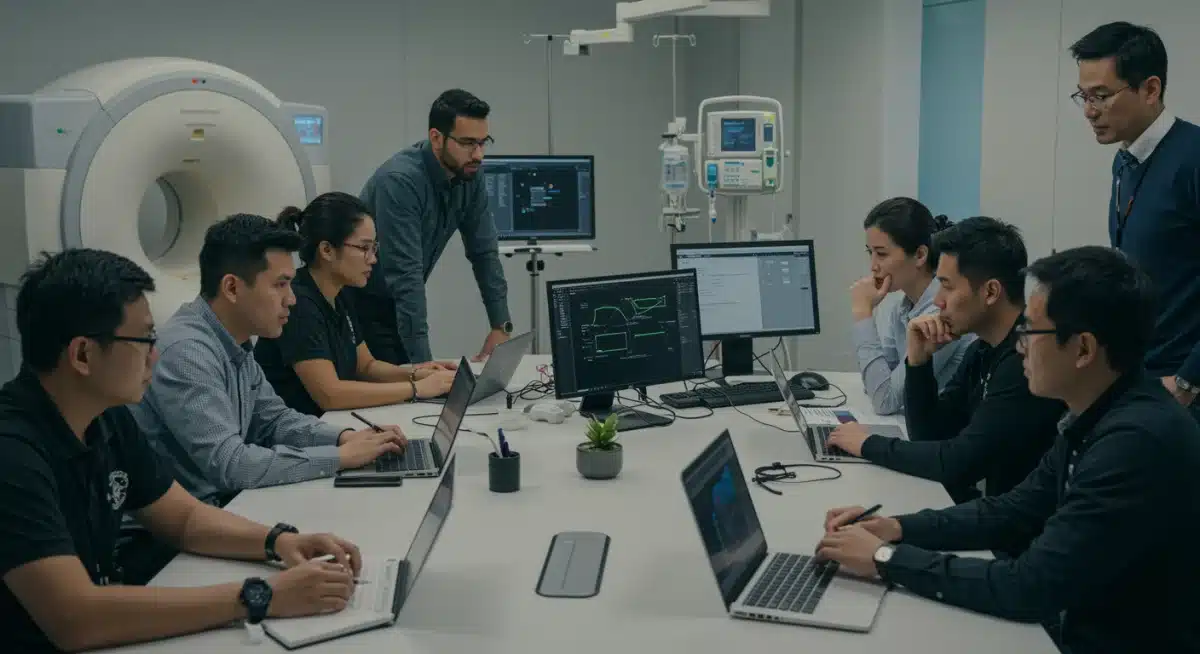
The landscape of medical device cybersecurity is rapidly evolving, demanding specialized education to equip professionals with the essential skills to safeguard healthcare infrastructure and patient data against sophisticated cyber threats by 2026.
As healthcare increasingly relies on interconnected technologies, the need for robust cybersecurity in medical devices has never been more critical. Decoding Cybersecurity Education for Medical Devices: Essential Skills for 2026 is not just an academic exercise; it’s a vital pathway to ensuring patient safety and data integrity in an ever-evolving digital world. Understanding the core competencies required will empower professionals to navigate complex threats and protect vulnerable systems.
The Evolving Threat Landscape for Medical Devices
The digital transformation of healthcare has brought unparalleled efficiencies and improved patient care, but it has also opened new avenues for cyber threats. Medical devices, from pacemakers to MRI machines, are now interconnected, creating a vast attack surface that malicious actors can exploit. This evolving threat landscape necessitates a comprehensive understanding of vulnerabilities and proactive defense strategies.
Understanding these threats goes beyond traditional IT security. Medical devices often run on legacy operating systems, have limited processing power, and are deployed in environments where uptime is paramount, making patching and updates challenging. The convergence of IT and operational technology (OT) in healthcare further complicates security efforts, demanding specialized knowledge.
Understanding Common Attack Vectors
Cybercriminals target medical devices through various vectors, exploiting weaknesses in network protocols, software vulnerabilities, and human error. These attacks can range from ransomware campaigns that halt hospital operations to direct manipulation of device functionality, posing immediate risks to patient health.
- Phishing and Social Engineering: Often the initial entry point, tricking staff into revealing credentials or installing malware.
- Ransomware Attacks: Encrypting critical systems and data, demanding payment for their release, disrupting patient care.
- Supply Chain Compromise: Exploiting vulnerabilities introduced during the manufacturing or distribution of devices.
- Insider Threats: Malicious or accidental actions by authorized personnel leading to security breaches.
The impact of a successful cyberattack on medical devices can be catastrophic, leading to data breaches, operational disruptions, and even direct harm to patients. Therefore, education must emphasize not only technical defenses but also a deep appreciation for the real-world consequences of security failures.
The dynamic nature of cyber threats means that security professionals must continuously update their knowledge and skills. What was secure yesterday may be vulnerable tomorrow, underscoring the importance of ongoing education and threat intelligence. A holistic approach to security, encompassing people, processes, and technology, is essential to mitigate these risks effectively.
Core Cybersecurity Principles for Healthcare Professionals
For healthcare professionals working with medical devices, a foundational understanding of cybersecurity principles is no longer optional; it’s a necessity. This includes knowledge of data privacy regulations, risk management, and secure device operation. These principles form the bedrock upon which more advanced cybersecurity skills are built.
Privacy regulations like HIPAA in the United States mandate strict controls over Protected Health Information (PHI). Professionals must understand how these regulations apply to medical devices and ensure compliance in their daily operations. Non-compliance can lead to severe penalties and erode patient trust.
Data Privacy and Regulatory Compliance
Adhering to regulatory frameworks is crucial for protecting sensitive patient data. This involves understanding the legal landscape, implementing appropriate technical and administrative safeguards, and conducting regular audits to ensure ongoing compliance.
- HIPAA: Health Insurance Portability and Accountability Act, setting standards for protecting sensitive patient data.
- GDPR: General Data Protection Regulation, impactful for global healthcare organizations handling EU citizen data.
- FDA Guidance: Specific recommendations from the Food and Drug Administration for medical device cybersecurity.
- Risk Assessments: Regularly identifying, analyzing, and evaluating risks to information assets and systems.
Beyond technical controls, fostering a culture of security awareness among all healthcare staff is paramount. Human error remains a significant factor in many breaches, making continuous training on best practices and vigilance against social engineering attacks indispensable. Education should empower every individual to be a front-line defender of patient data.
Maintaining regulatory compliance is an ongoing process that requires continuous monitoring and adaptation to new legal requirements and technological advancements. Healthcare organizations must invest in training programs that not only cover current regulations but also prepare staff for future changes and emerging threats.
Technical Skills in Demand for Medical Device Cybersecurity
The technical skills required to secure medical devices are highly specialized, blending traditional IT security expertise with an understanding of embedded systems, networking, and healthcare-specific protocols. These skills are essential for both preventing attacks and responding effectively when incidents occur.
Professionals need to be proficient in vulnerability assessment, penetration testing, and incident response tailored to the unique constraints of medical environments. This often involves working with devices that cannot be easily taken offline or updated, requiring creative and careful security approaches.
Vulnerability Management and Penetration Testing
Identifying and addressing vulnerabilities before they can be exploited is a cornerstone of medical device cybersecurity. This involves systematic scanning, analysis, and ethical hacking techniques to uncover weaknesses.
- Device-Specific Vulnerability Scanning: Using specialized tools to identify security flaws in medical device software and firmware.
- Penetration Testing: Simulating cyberattacks to test the resilience of medical devices and networks.
- Secure Configuration Management: Ensuring devices are configured with the highest security settings from deployment.
- Patch Management Strategies: Developing and implementing plans for applying security updates to devices, even those with limited connectivity.
Incident response capabilities are equally vital. When a breach occurs, the ability to quickly detect, contain, eradicate, and recover from an attack can significantly minimize its impact. This requires well-defined protocols, trained personnel, and effective communication channels.
Furthermore, an understanding of network segmentation and access control is critical to isolate medical devices from general hospital networks and limit potential lateral movement of attackers. This layered defense approach enhances the overall security posture and reduces the blast radius of any successful intrusion.
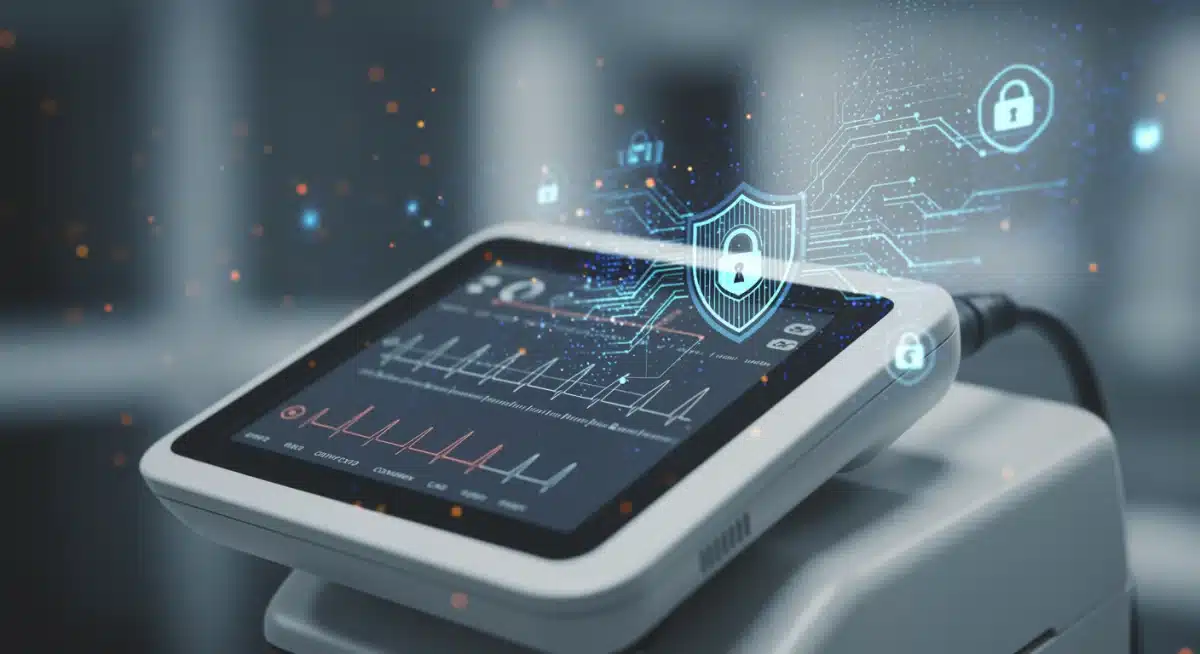
The Role of Secure Development Lifecycle (SDL) in Medical Devices
Integrating security throughout the entire lifecycle of a medical device, from design to decommissioning, is a proactive approach to cybersecurity. The Secure Development Lifecycle (SDL) ensures that security considerations are embedded at every stage, reducing vulnerabilities before devices even reach the market.
This paradigm shift from reactive security measures to a proactive, ‘security by design’ philosophy is crucial for medical devices. Retrofitting security into existing devices is often costly and complex, whereas building it in from the outset is more effective and economical.
Key Phases of SDL for Medical Devices
The SDL involves several critical phases, each with specific security activities designed to minimize risks and ensure compliance with industry standards and regulations.
- Requirements Gathering: Defining security requirements early in the design process.
- Design Review: Analyzing architectural designs for potential security flaws.
- Implementation: Writing secure code and following coding best practices.
- Verification: Testing for vulnerabilities and ensuring security requirements are met.
- Maintenance and Updates: Providing ongoing security patches and updates throughout the device’s lifespan.
For professionals, understanding SDL means being able to collaborate effectively with engineers, developers, and quality assurance teams to champion security best practices. It requires a comprehensive view of the development process and the ability to identify security risks at every juncture.
The adoption of SDL is becoming a standard expectation from regulatory bodies and healthcare providers alike. Education in this area prepares individuals to contribute to the creation of inherently more secure medical devices, moving beyond mere compliance to genuine resilience against cyber threats.
Education Pathways and Certifications for 2026
As the demand for medical device cybersecurity expertise grows, various education pathways and certifications are emerging to equip professionals with the necessary skills. These range from specialized university programs to industry-recognized certifications, each offering distinct advantages.
Choosing the right educational path depends on an individual’s background, career goals, and the specific needs of their organization. Continuous learning is a hallmark of the cybersecurity field, and medical device security is no exception, requiring professionals to stay abreast of the latest technologies and threat intelligence.
Leading Certifications and Programs
Several certifications and academic programs are particularly relevant for those looking to specialize in medical device cybersecurity, providing recognized credentials and in-depth knowledge.
- Certified Information Systems Security Professional (CISSP): A broad, highly respected cybersecurity certification.
- Certified Ethical Hacker (CEH): Focuses on penetration testing and identifying vulnerabilities.
- Healthcare Information Security and Privacy Practitioner (HCISPP): Specifically tailored for healthcare information security.
- Biomedical Cybersecurity Specializations: Emerging university programs offering focused degrees or concentrations.
Beyond formal education, practical experience is invaluable. Hands-on labs, simulations, and real-world projects provide opportunities to apply theoretical knowledge and develop problem-solving skills in a safe environment. Mentorship and participation in industry forums also contribute significantly to professional development.
The landscape of medical device cybersecurity education is dynamic, with new programs and certifications continually being developed to meet evolving industry needs. Professionals must actively seek out opportunities for growth and skill enhancement to remain effective in this critical field.
Future Trends and Emerging Technologies in Medical Device Security
Looking ahead to 2026 and beyond, several emerging technologies and trends will significantly impact medical device cybersecurity. These include the increasing adoption of AI and machine learning for threat detection, the rise of blockchain for secure data management, and the imperative for zero-trust architectures.
Staying informed about these advancements is crucial for cybersecurity professionals. Adapting to new technologies and understanding their security implications will be key to developing resilient defenses against future threats and ensuring the long-term safety of medical devices and patient data.
Impact of AI, Blockchain, and Zero Trust
These advanced technologies offer both opportunities and challenges for medical device security, requiring a nuanced understanding of their application and potential vulnerabilities.
- Artificial Intelligence (AI) and Machine Learning (ML): Enhancing threat detection, anomaly identification, and automated response capabilities.
- Blockchain Technology: Offering immutable ledger systems for secure data integrity and supply chain verification.
- Zero-Trust Architecture: Implementing a ‘never trust, always verify’ approach to network access, minimizing the risk of unauthorized access.
- Quantum Computing: Posing future challenges to current encryption standards, requiring research into post-quantum cryptography.
The integration of these technologies into medical devices and healthcare systems will necessitate new skill sets for cybersecurity professionals, including expertise in data science, distributed ledger technologies, and advanced network security principles. Continuous professional development will be more important than ever.
Embracing these trends requires foresight and strategic planning. Healthcare organizations and educators must collaborate to develop curricula that anticipate future security challenges and prepare the next generation of cybersecurity experts to protect medical devices effectively.
| Key Skill Area | Description |
|---|---|
| Regulatory Compliance | Understanding HIPAA, GDPR, and FDA guidelines for medical device security. |
| Vulnerability Management | Identifying and patching security flaws in medical device software and hardware. |
| Secure Development Lifecycle (SDL) | Integrating security from the design phase through the entire device lifecycle. |
| Incident Response | Developing and executing plans to detect, contain, and recover from cyberattacks. |
Frequently Asked Questions About Medical Device Cybersecurity Education
Medical devices are increasingly connected, creating more entry points for cyberattacks. Specialized education ensures professionals can protect patient data and critical healthcare operations from evolving threats, directly impacting patient safety and data integrity.
Risks include data breaches of sensitive patient information, disruption of healthcare services due to ransomware, and potential direct harm to patients through device manipulation. These can lead to significant financial, reputational, and health consequences.
Recommended certifications include CISSP, CEH, and HCISPP. These provide comprehensive knowledge in general cybersecurity, ethical hacking, and healthcare-specific information security, equipping professionals with diverse skills.
SDL integrates security from the initial design phase through decommissioning, ensuring security is built-in, not bolted on. This proactive approach helps minimize vulnerabilities and comply with regulations, making devices inherently more secure from the start.
Key trends include the use of AI/ML for threat detection, blockchain for data integrity, and the adoption of zero-trust architectures. Professionals will need to adapt their skills continually to address these evolving technological advancements and their security implications.
Conclusion
The imperative to strengthen medical device cybersecurity will only intensify by 2026, driven by increasing connectivity and sophisticated cyber threats. Comprehensive education, encompassing both foundational principles and advanced technical skills, is essential for protecting patient data and ensuring the operational resilience of healthcare systems. By investing in specialized training and fostering a culture of security, professionals can effectively navigate the complex challenges ahead, safeguarding the future of healthcare technology.