Telemedicine Education Trends 2026: Key Learnings for MedTech
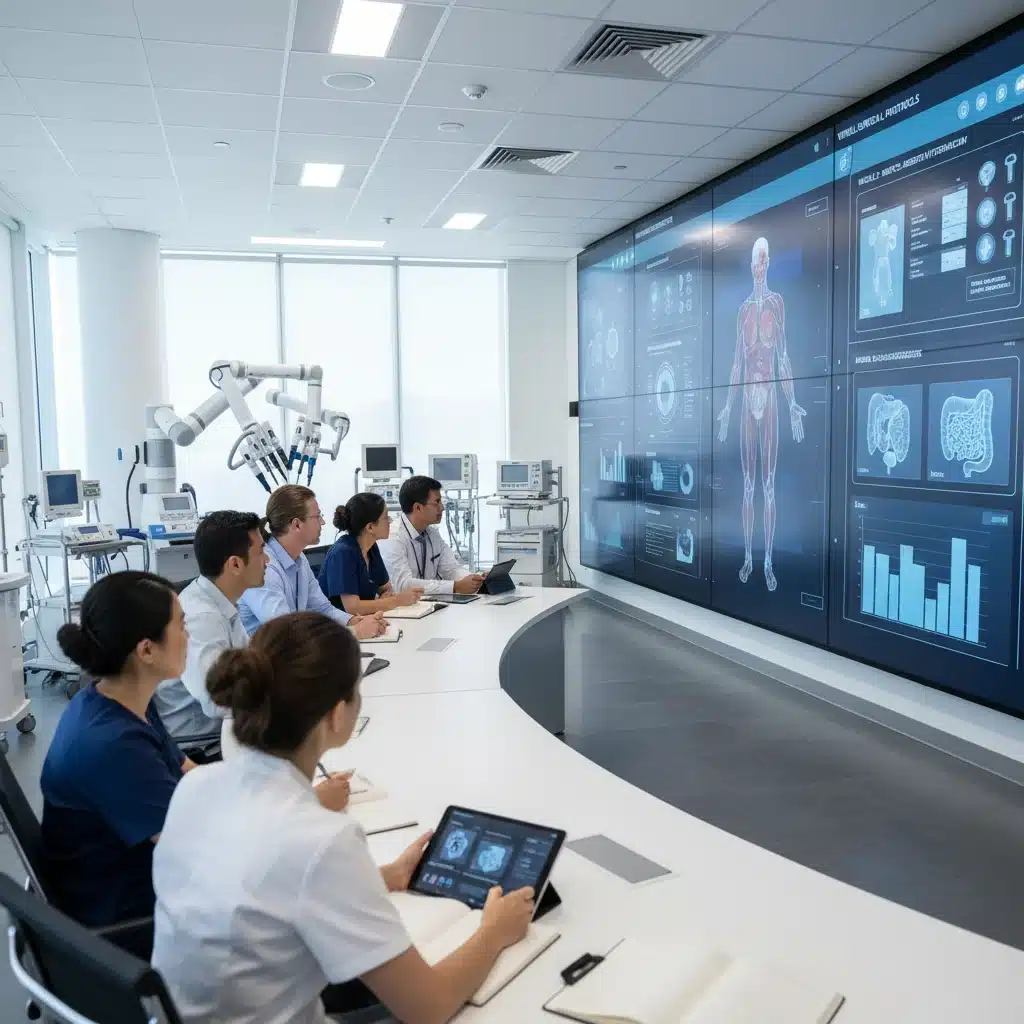
In an era defined by rapid technological advancements and evolving healthcare demands, the landscape of medical education is undergoing a profound transformation. The COVID-19 pandemic accelerated the adoption of virtual care models, thrusting telemedicine into the forefront of healthcare delivery. As we look towards 2026, understanding the evolution of Telemedicine Education Trends becomes paramount, not only for healthcare providers but also for the MedTech industry that powers these advancements. This article delves deep into the critical shifts, innovations, and strategic imperatives for MedTech companies navigating this dynamic environment.
The integration of technology into medical practice is no longer a futuristic concept; it is our present reality. Telemedicine, once a niche service, has become an indispensable component of modern healthcare. This widespread adoption has created an urgent need for comprehensive and effective telemedicine education. Healthcare professionals, from seasoned practitioners to new graduates, must be equipped with the knowledge, skills, and competencies to deliver high-quality care remotely. For MedTech companies, this presents both challenges and unparalleled opportunities to shape the future of medical training and technology.
The future of healthcare is undeniably digital, and the cornerstone of this digital future is well-trained personnel. Without adequate education and training in telemedicine, even the most advanced medical technologies will fall short of their potential. Therefore, understanding and actively participating in the development of Telemedicine Education Trends is not merely an option but a strategic imperative for MedTech innovators.
The Paradigm Shift: From Traditional to Digital Medical Training
Historically, medical education has been characterized by hands-on clinical experience, didactic lectures, and in-person simulations. While these methods remain crucial, the rise of telemedicine necessitates a significant paradigm shift. The traditional model, while effective for certain aspects of patient care, often falls short in preparing clinicians for the unique challenges and opportunities presented by virtual consultations. By 2026, this shift will be even more pronounced, with digital learning methodologies becoming central to medical curricula worldwide. This evolution in Telemedicine Education Trends is not just about moving content online; it’s about fundamentally rethinking how medical professionals acquire and apply knowledge in a digitally-enabled healthcare ecosystem.
One of the most significant aspects of this shift is the emphasis on practical application within a virtual context. It’s no longer enough to understand medical theory; practitioners must also master the nuances of virtual patient interaction, remote diagnostics, and digital communication tools. This requires specialized training modules that simulate real-world telemedicine scenarios, allowing learners to develop confidence and proficiency in a safe, controlled environment. MedTech companies can play a pivotal role here by providing the platforms, devices, and simulated environments that make such training possible and highly effective.
The concept of continuous learning is also gaining unprecedented importance. With technology evolving at an exponential rate, healthcare professionals must constantly update their skills to remain competent in telemedicine. This means moving away from one-off training sessions towards integrated, iterative learning pathways. Micro-learning modules, on-demand resources, and adaptive learning platforms are becoming essential components of modern Telemedicine Education Trends, catering to the busy schedules of healthcare providers and ensuring that their knowledge is always current.
Key Pillars of Future Telemedicine Education (2026 and Beyond)
1. Competency-Based Training in Virtual Care
As telemedicine becomes more embedded in standard practice, education will increasingly focus on competency-based training. This means moving beyond simply covering theoretical knowledge to ensuring that learners can demonstrate specific skills and behaviors required for effective virtual care. These competencies include, but are not limited to, virtual communication etiquette, remote physical examination techniques (where applicable), ethical considerations in digital health, data privacy and security, and proficient use of telemedicine platforms and devices. MedTech companies developing diagnostic tools, monitoring equipment, or communication platforms must ensure their products are designed with these competencies in mind, facilitating easier integration into educational programs.
2. Immersive Learning Technologies: VR, AR, and AI
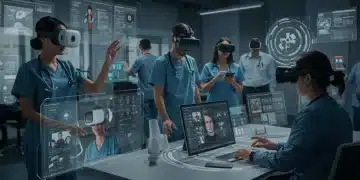
The future of Telemedicine Education Trends is inherently linked to immersive technologies. Virtual Reality (VR), Augmented Reality (AR), and Artificial Intelligence (AI) are poised to revolutionize how medical professionals learn and practice telemedicine. VR simulations can offer highly realistic virtual consultation rooms, allowing learners to practice patient interactions, diagnostic procedures, and even crisis management in a risk-free environment. AR can overlay digital information onto real-world scenarios, assisting with remote guidance for procedures or equipment setup. AI-powered tools can provide personalized feedback, identify learning gaps, and create adaptive learning pathways tailored to individual needs.

For MedTech, this means developing hardware and software that seamlessly integrate with these immersive learning platforms. Imagine a medical device that can be practiced on in a VR environment before being used in a real-world telemedicine consultation. Or an AI assistant that guides a learner through the setup of a new remote monitoring device. The potential for enhancing training efficacy and reducing errors is immense. Companies that invest in these areas will not only improve medical education but also gain a significant competitive edge in the market.
3. Interprofessional Education and Collaboration
Telemedicine often requires a highly collaborative approach, involving various healthcare professionals, administrative staff, and even technical support. Future Telemedicine Education Trends will emphasize interprofessional education, preparing teams to work together effectively in a virtual setting. This includes understanding each other’s roles, optimizing communication channels, and coordinating care plans across digital platforms. MedTech solutions that facilitate seamless interprofessional collaboration, such as integrated communication suites, shared virtual patient records, and team-based simulation tools, will be highly valued.
4. Ethical and Legal Considerations in Digital Health
The legal and ethical landscape of telemedicine is complex and constantly evolving. Training programs must address crucial topics such as patient privacy (HIPAA, GDPR, etc.), informed consent in a virtual environment, licensure across state or national borders, liability issues, and equity in access to digital care. MedTech companies must ensure their products and platforms are compliant with these regulations and contribute to ethical practices. Furthermore, educational modules on the ethical use of AI in diagnostics or patient management will become increasingly important.
5. Data Analytics and Predictive Insights in Telemedicine
Telemedicine generates vast amounts of data, from patient demographics and consultation notes to biometric readings from remote monitoring devices. Future Telemedicine Education Trends will equip healthcare professionals with the skills to interpret this data, derive actionable insights, and use it to improve patient outcomes and optimize care delivery. This includes understanding basic data analytics, recognizing patterns, and utilizing predictive models to anticipate patient needs or identify potential risks. MedTech companies that develop intuitive data visualization tools and integrate AI-driven analytics into their platforms will significantly enhance the value proposition for educators and practitioners alike.
Challenges and Opportunities for MedTech in Telemedicine Education
Challenges:
- Rapid Technological Obsolescence: The pace of technological change means that educational content and tools can quickly become outdated. MedTech companies must design flexible and updateable solutions.
- Standardization and Interoperability: A lack of standardized training curricula and interoperable platforms can hinder widespread adoption and create silos in education.
- Cost of Advanced Technologies: Implementing VR, AR, and AI for widespread education can be expensive, requiring innovative funding models and cost-effective solutions.
- Digital Divide: Ensuring equitable access to high-quality telemedicine education, particularly in underserved areas, remains a significant challenge.
- Regulatory Hurdles: Navigating diverse regional and national regulations for both telemedicine practice and educational accreditation can be complex.
Opportunities:
- Partnerships with Academic Institutions: Collaborating with universities and medical schools to co-develop curricula and integrate MedTech solutions into existing programs.
- Development of Specialized Training Platforms: Creating bespoke platforms for specific medical devices or telemedicine workflows, offering certifications and continuous professional development.
- AI-Powered Tutoring and Assessment: Leveraging AI to provide personalized learning experiences, automated assessments, and performance tracking for telemedicine skills.
- Global Reach of Digital Education: Offering scalable online education programs that can reach healthcare professionals worldwide, democratizing access to specialized telemedicine training.
- Integration of Wearables and Remote Monitoring: Developing educational modules that teach healthcare professionals how to effectively utilize and interpret data from wearable devices and remote monitoring systems, which are increasingly central to telemedicine.
The Role of MedTech in Shaping Telemedicine Education
MedTech companies are not just providers of tools; they are integral partners in the evolution of Telemedicine Education Trends. Their expertise in technology development, user experience design, and healthcare innovation positions them uniquely to drive significant advancements in how medical professionals are trained for the digital age. By actively engaging with educators and healthcare systems, MedTech can ensure that training programs are relevant, effective, and future-proof.
Consider the development of user-friendly interfaces for telemedicine platforms. If a platform is intuitive and easy to navigate, the learning curve for healthcare professionals is significantly reduced, allowing them to focus more on patient care rather than technological hurdles. MedTech companies can contribute by designing their products with education in mind, incorporating features that facilitate learning and skill development. This includes built-in tutorials, interactive guides, and performance analytics that can inform ongoing training needs.
Furthermore, MedTech can lead the way in creating standardized simulation environments. By developing virtual clinics or digital patient cases that mimic real-world scenarios, these companies can provide invaluable practical experience. These simulations can range from managing routine follow-ups to handling complex diagnostic challenges, all within a safe and controlled digital space. This hands-on virtual experience is crucial for building confidence and competence in telemedicine practice, directly addressing key Telemedicine Education Trends.
Future Outlook: Personalization and Predictive Learning
Looking ahead to 2026 and beyond, Telemedicine Education Trends will increasingly focus on personalization and predictive learning. Imagine an AI-powered educational system that understands a healthcare professional’s current skill set, identifies areas for improvement, and then curates a personalized learning path using a combination of VR simulations, micro-learning modules, and real-time feedback. This adaptive approach ensures that training is highly efficient and directly addresses individual learning needs, maximizing the impact of educational efforts.

Predictive analytics will also play a role in identifying emerging trends in telemedicine and proactively developing educational content to address them. For example, if data indicates a rise in certain types of remote monitoring needs or specific telehealth-related challenges, educational programs can be rapidly adapted to prepare professionals for these new demands. MedTech companies, with their access to vast datasets from their devices and platforms, are uniquely positioned to contribute to these predictive insights, thereby enhancing the relevance and timeliness of telemedicine education.
The integration of soft skills training will also be crucial. While technical proficiency is vital, effective telemedicine requires excellent communication, empathy, and cultural sensitivity, all conveyed through a digital medium. Future education will emphasize how to build rapport virtually, interpret non-verbal cues on a screen, and manage patient expectations effectively. MedTech can support this by developing platforms that facilitate nuanced digital interactions and provide tools for feedback on communication styles.
Conclusion: Navigating the Future of Telemedicine Education
The evolution of Telemedicine Education Trends by 2026 is not merely an academic exercise; it is a critical determinant of the future of healthcare. For MedTech companies, this dynamic environment presents a clear mandate: to move beyond simply selling devices and platforms to becoming strategic partners in educating the next generation of healthcare professionals. By understanding the shift towards digital, competency-based, and immersive learning, and by actively addressing the challenges and seizing the opportunities, MedTech can play a transformative role.
Investing in robust, innovative telemedicine education is an investment in the quality, accessibility, and sustainability of healthcare itself. Companies that align their product development with educational needs, foster interprofessional collaboration, and embrace cutting-edge learning technologies will not only thrive but also contribute significantly to a healthier, more connected world. The journey towards fully integrated and highly effective telemedicine education is ongoing, and MedTech’s role in this journey is indispensable. The future of healthcare demands a digitally fluent workforce, and it is through concerted efforts in education that this vision will be realized.
The path forward involves continuous innovation, collaboration between industry and academia, and a steadfast commitment to equipping healthcare professionals with the skills they need to excel in a virtual care landscape. As 2026 approaches, the imperative is clear: embrace the evolving Telemedicine Education Trends to unlock the full potential of digital health and ensure that quality care remains accessible to all.