Federal MedTech Training Boost: $500M to Solve Skills Gap by 2026

Federal Programs Allocate $500 Million for MedTech Skills Training by 2026 to Address Critical Shortages
The medical technology (MedTech) industry stands at the forefront of healthcare innovation, constantly pushing the boundaries of what’s possible in diagnostics, treatment, and patient care. From advanced imaging systems and robotic surgery tools to sophisticated implantable devices and AI-powered diagnostic platforms, the sector’s rapid evolution demands a highly skilled and specialized workforce. However, this explosive growth has also exposed a significant challenge: a widening skills gap and a critical shortage of trained professionals. Recognizing this urgent need, federal programs are stepping up with a monumental commitment, allocating an unprecedented $500 million for MedTech skills training by 2026. This substantial investment aims to cultivate a robust pipeline of talent, ensuring the industry can continue its trajectory of innovation and meet the escalating demands of modern healthcare.
The implications of this federal initiative are far-reaching, promising to reshape the landscape of MedTech workforce development. It’s not just about filling vacant positions; it’s about strategically investing in the future of healthcare, fostering economic growth, and maintaining the United States’ competitive edge in a global market. This article delves into the specifics of this federal allocation, exploring the underlying reasons for the skills gap, the types of training programs that will benefit, and the anticipated impact on the MedTech industry and the broader economy. We’ll also examine how educational institutions, industry leaders, and government agencies are collaborating to ensure the success and sustainability of these vital MedTech skills training initiatives.
Understanding the MedTech Skills Gap: A Growing Concern
The MedTech sector is characterized by its dynamic nature, driven by relentless technological advancements. This constant evolution, while beneficial for patient outcomes, creates a unique set of workforce challenges. Traditional educational pathways often struggle to keep pace with the rapid emergence of new technologies, methodologies, and regulatory requirements. This lag results in a significant disconnect between the skills possessed by job seekers and the specialized competencies required by MedTech employers.
Key Factors Contributing to the Shortage:
- Rapid Technological Advancement: The introduction of AI, machine learning, robotics, advanced materials, and personalized medicine demands new skill sets that are not widely taught in conventional curricula. Engineers, technicians, and even clinical staff need to be proficient in areas like data analytics, cybersecurity for medical devices, and bio-informatics.
- Aging Workforce and Retirement: A significant portion of the experienced MedTech workforce is nearing retirement, taking with them decades of invaluable institutional knowledge and practical expertise. This demographic shift exacerbates the existing shortage, creating a vacuum that is difficult to fill quickly.
- Specialized Nature of the Industry: MedTech roles often require a unique blend of engineering, scientific, and clinical knowledge, coupled with an understanding of stringent regulatory frameworks (e.g., FDA compliance). This interdisciplinary nature makes it challenging to find candidates with the exact combination of skills.
- Competition for Talent: The demand for skilled professionals in STEM fields is high across various industries. MedTech companies often compete with other high-tech sectors for top talent, which can drive up recruitment costs and prolong hiring processes.
- Lack of Awareness and Accessibility: Many potential candidates, especially at the entry level, may not be fully aware of the diverse and rewarding career opportunities within the MedTech sector. Furthermore, accessible and affordable training programs specifically tailored to MedTech needs have historically been limited.
These factors collectively contribute to a critical skills gap that, if left unaddressed, could stifle innovation, slow down product development, and ultimately impact patient access to life-saving and life-improving medical technologies. The federal allocation for MedTech skills training is a direct response to these pressing issues, aiming to bridge the gap and secure the industry’s future.
The Federal Response: A $500 Million Commitment
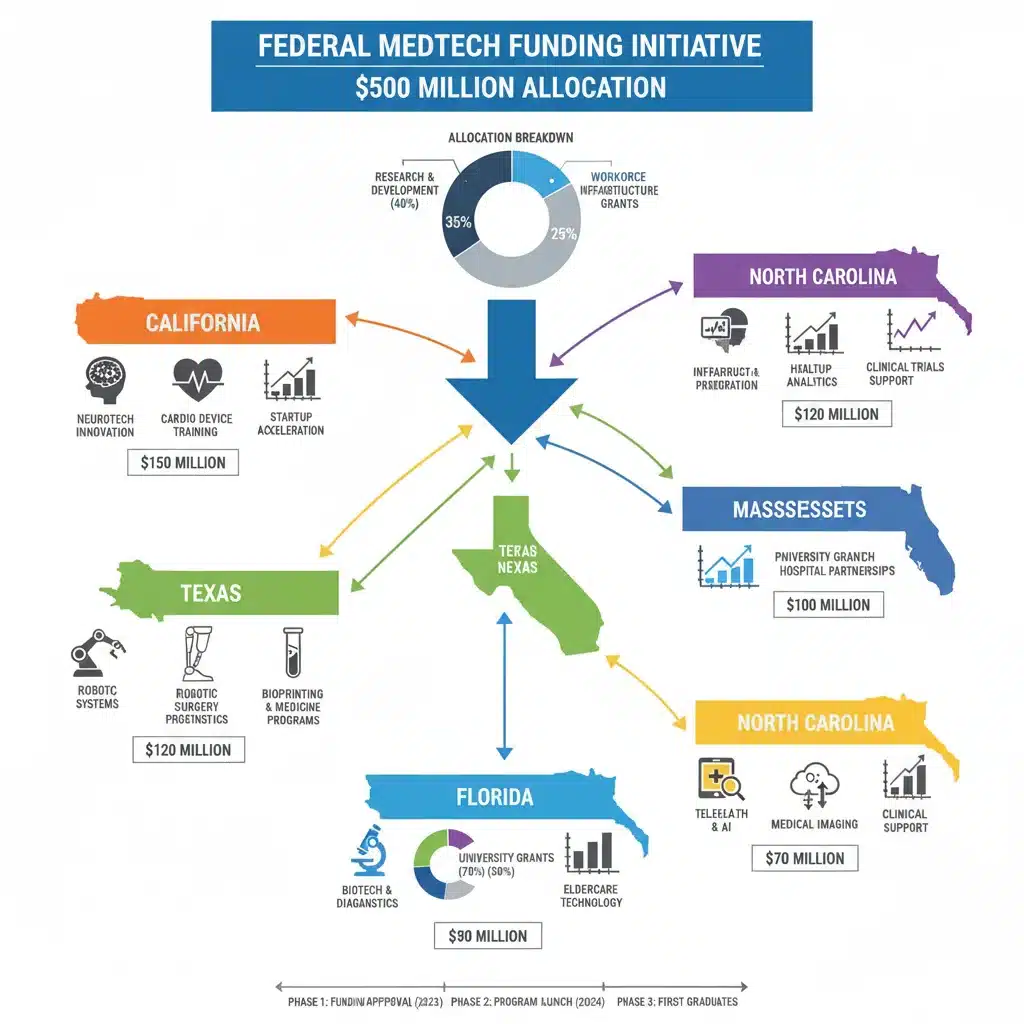
The allocation of $500 million for MedTech skills training by 2026 signifies a strong governmental recognition of the industry’s strategic importance. This funding is expected to be channeled through various federal agencies and programs, targeting different aspects of workforce development. While specific program details are still emerging, the overarching goal is to create a comprehensive ecosystem for talent development.
Anticipated Funding Avenues and Initiatives:
- Grants for Educational Institutions: A significant portion of the funding will likely be directed towards universities, community colleges, and technical schools to develop and expand specialized MedTech curricula. This includes creating new degree programs, certification courses, and apprenticeships focused on areas like biomedical engineering, medical device manufacturing, regulatory affairs, quality assurance, and clinical applications of MedTech.
- Industry-Academia Partnerships: Encouraging collaborations between academic institutions and MedTech companies will be crucial. This funding can facilitate joint research projects, internship opportunities, co-developed training modules, and faculty externships within industry settings, ensuring that educational programs remain relevant and industry-aligned.
- Workforce Retraining and Upskilling Programs: The initiative will also support programs aimed at reskilling individuals from other sectors or upskilling existing MedTech professionals. This is particularly important for those whose roles are evolving due to technological shifts, ensuring they remain competitive and proficient in new areas.
- Apprenticeships and On-the-Job Training: Federal funds will likely bolster apprenticeship programs, providing hands-on experience and direct pathways to employment. These programs offer a practical blend of theoretical knowledge and real-world application, making participants job-ready upon completion.
- Diversity and Inclusion Initiatives: A portion of the funding is expected to support efforts to attract a more diverse talent pool into the MedTech sector, including women, underrepresented minorities, and veterans. This not only addresses equity but also brings varied perspectives and innovation to the industry.
- Research and Development in Training Methodologies: Investing in better ways to deliver training, such as virtual reality (VR) and augmented reality (AR) simulations for complex medical procedures or device assembly, could also be a focus. This ensures that training is effective, engaging, and scalable.
The strategic deployment of these funds is critical. The aim is not just to spend the money but to create sustainable, impactful programs that will continue to benefit the MedTech industry well beyond 2026. This requires careful planning, robust evaluation metrics, and continuous adaptation to the evolving needs of the sector.

Expected Impact on the MedTech Industry and Economy
The $500 million investment in MedTech skills training is anticipated to yield significant positive outcomes, not only for the medical technology sector but also for the broader economy and public health. Addressing the skills gap is a multifaceted solution that promises to unlock new levels of innovation and efficiency.
Boosting Innovation and Product Development:
With a more skilled workforce, MedTech companies will be better equipped to accelerate research and development. Engineers and scientists with cutting-edge expertise in areas like AI, biocompatible materials, and advanced manufacturing techniques can drive the creation of next-generation medical devices and therapies. This influx of talent will shorten development cycles, bring innovative products to market faster, and ultimately improve patient care globally. The ability to innovate rapidly is a cornerstone of the MedTech industry, and a skilled workforce is its primary engine.
Enhancing Competitiveness and Economic Growth:
The United States has historically been a global leader in medical technology. By investing in its workforce, the nation can solidify its competitive advantage. A strong talent pool attracts foreign investment, encourages domestic companies to expand, and fosters a vibrant ecosystem of startups and established industry giants. This translates into job creation, increased exports, and a stronger economy. The economic multiplier effect of a thriving MedTech sector, fueled by skilled labor, is substantial, creating opportunities in supporting industries as well.
Improving Patient Outcomes and Healthcare Access:
Ultimately, the goal of the MedTech industry is to improve human health. A skilled workforce ensures that medical devices are designed, manufactured, and maintained to the highest standards of quality and safety. Furthermore, trained professionals are essential for the effective deployment and utilization of these technologies in clinical settings. From expertly operating robotic surgery systems to accurately interpreting data from diagnostic devices, a well-trained workforce directly contributes to better diagnoses, more effective treatments, and improved patient outcomes. This investment also helps to ensure that advanced healthcare solutions are accessible and reliable.
Creating New Career Pathways and Opportunities:
For individuals, this federal initiative opens doors to highly rewarding and well-paying careers. The MedTech skills training programs will provide clear pathways for students and career changers to enter a dynamic industry with significant growth potential. These jobs often offer stability, competitive salaries, and the satisfaction of contributing to advancements in healthcare. The investment will not only create new jobs but also elevate the skill level of the existing workforce, leading to career progression and professional development.
Regional Economic Development:
The funding is expected to have a localized impact, stimulating economic development in regions with strong MedTech clusters. By strengthening local educational institutions and fostering industry partnerships, these areas can become centers of excellence for MedTech innovation and manufacturing, attracting further investment and talent.
Strategic Partnerships: The Key to Success
The success of this $500 million federal allocation hinges on the strength and effectiveness of strategic partnerships. No single entity can address the complex challenges of workforce development in the MedTech sector alone. A collaborative approach involving government, industry, academia, and non-profit organizations is essential to design, implement, and sustain impactful MedTech skills training programs.
Collaboration between Government and Industry:
Federal agencies, such as the Department of Labor, the National Institutes of Health (NIH), and the Department of Commerce, will play a crucial role in overseeing the distribution of funds, setting strategic priorities, and establishing performance metrics. Industry associations (e.g., AdvaMed, Medical Device Manufacturers Association) and individual MedTech companies must actively engage with these agencies to provide insights into current and future skill demands. This ensures that the training programs are directly relevant to industry needs and produce graduates who are immediately employable.
Academia as a Cornerstone:
Universities, community colleges, and vocational schools are the primary vehicles for delivering education and training. Their role involves:
- Curriculum Development: Designing and updating educational programs that incorporate the latest MedTech advancements, often in collaboration with industry experts.
- Faculty Training: Ensuring that instructors possess the necessary expertise and access to state-of-the-art equipment to effectively teach complex MedTech concepts.
- Research and Innovation: Engaging in applied research that informs training methodologies and contributes to the overall advancement of the MedTech field.
- Outreach and Recruitment: Attracting a diverse pool of students to MedTech-related fields and providing clear career guidance.
The Role of Non-Profit Organizations and Workforce Boards:
Non-profit organizations often serve as critical intermediaries, connecting job seekers with training opportunities and employers. Local and regional workforce development boards are instrumental in identifying regional skill gaps, coordinating resources, and facilitating partnerships. These entities can help ensure that the federal funding reaches communities most in need and aligns with local economic development strategies.
Examples of Successful Partnership Models:
Many existing models demonstrate the power of collaboration in workforce development. For instance, some community colleges have established dedicated MedTech training centers, equipped with industry-standard machinery and staffed by instructors with direct industry experience. These centers often offer short-term certifications and apprenticeships, providing rapid pathways to employment. Similarly, university-industry consortia are common, where companies sponsor research and provide internships, while universities tailor programs to address specific industry challenges. The federal funding will allow for the expansion and replication of these successful models, fostering a more integrated approach to MedTech skills training.
By working together, these stakeholders can create a dynamic and responsive workforce development system that not only addresses the immediate skills gap but also anticipates future needs, ensuring the long-term vitality of the MedTech industry.
Challenges and Considerations for Implementation
While the $500 million federal allocation for MedTech skills training is a significant step forward, its successful implementation will require careful navigation of several challenges and considerations. Ensuring that this substantial investment yields its intended results demands strategic planning, adaptability, and continuous evaluation.
Ensuring Program Relevance and Agility:
The MedTech industry’s rapid pace of change means that training programs must be constantly updated to remain relevant. A key challenge will be to build mechanisms that allow curricula to adapt quickly to new technologies, regulatory changes, and evolving industry standards. This requires ongoing dialogue between educators and industry leaders, as well as flexible funding models that can support curriculum revisions and equipment upgrades.
Attracting and Retaining Talent:
Beyond simply creating training programs, there’s the challenge of attracting enough individuals to these fields, particularly given the competitive landscape for STEM talent. Effective outreach campaigns are necessary to raise awareness about MedTech career opportunities. Furthermore, programs must consider strategies for retaining graduates in the MedTech sector, which may involve mentorship, career advancement pathways, and competitive compensation.
Geographic Distribution and Equity:
The MedTech industry is often concentrated in specific geographic clusters. The federal funding must be distributed in a way that not only supports existing hubs but also fosters growth in underserved regions. Ensuring equitable access to training opportunities for diverse populations, including those in rural areas or economically disadvantaged communities, is crucial to building a truly representative workforce and maximizing the impact of the investment.
Measuring Impact and Accountability:
With such a significant investment, clear metrics and accountability frameworks are essential. How will the success of these programs be measured? Key performance indicators (KPIs) could include the number of individuals trained, job placement rates, salary increases for graduates, employer satisfaction, and the overall reduction of the skills gap. Regular reporting and evaluation will be necessary to ensure funds are being used effectively and to make adjustments as needed.
Sustainability Beyond 2026:
The $500 million allocation is a critical boost, but workforce development is an ongoing process. A crucial consideration is how these initiatives will be sustained beyond the initial funding period. This involves developing self-sufficient models, fostering strong industry commitments to continued investment in training, and integrating MedTech skills development into broader national workforce strategies.
Infrastructure and Equipment Needs:
Effective MedTech training often requires access to specialized, expensive equipment, such as cleanroom facilities for manufacturing, advanced diagnostic tools, or simulation labs for surgical robotics. Educational institutions may need significant investment in infrastructure and equipment, which the federal funding can help address. However, ensuring ongoing maintenance and upgrades for these facilities will be a continuous challenge.
Addressing these challenges proactively will be vital for the federal investment in MedTech skills training to achieve its full potential, transforming the workforce and securing the future of medical technology.
The Future of MedTech Workforce Development
The federal allocation of $500 million for MedTech skills training by 2026 marks a pivotal moment for the medical technology industry. It represents a clear commitment from the government to address a critical workforce shortage that has the potential to impede innovation and healthcare advancements. This investment is not merely about filling vacancies; it’s about strategically cultivating a future-ready workforce capable of navigating the complexities and opportunities of an ever-evolving sector.
Looking ahead, the success of this initiative will depend on several factors. Continuous collaboration between government agencies, industry leaders, educational institutions, and community organizations will be paramount. This collaboration must be dynamic, allowing for rapid adaptation to new technological paradigms and skill requirements. The programs developed must be accessible, inclusive, and designed to attract a diverse talent pool, ensuring that the MedTech workforce reflects the diversity of the patients it serves.
Furthermore, the focus must extend beyond initial training to encompass lifelong learning and professional development. As technologies like artificial intelligence, personalized medicine, and advanced robotics become more integrated into MedTech, the need for continuous upskilling and reskilling will only intensify. The foundation laid by this federal funding should aim to create a sustainable ecosystem for workforce development that supports individuals throughout their careers in MedTech.
The anticipated outcomes are transformative: a more robust and skilled workforce, accelerated innovation in medical device development, enhanced global competitiveness for the U.S. MedTech industry, and ultimately, improved health outcomes for millions of people worldwide. By addressing the skills gap head-on, this federal initiative is paving the way for a healthier, more technologically advanced future. The commitment to MedTech skills training is an investment in human capital that promises significant returns for years to come, solidifying the MedTech sector’s role as a cornerstone of modern healthcare and economic prosperity.